2026 Complete Guide
Painting for Home Decoration India: How to Choose Art That Actually Works
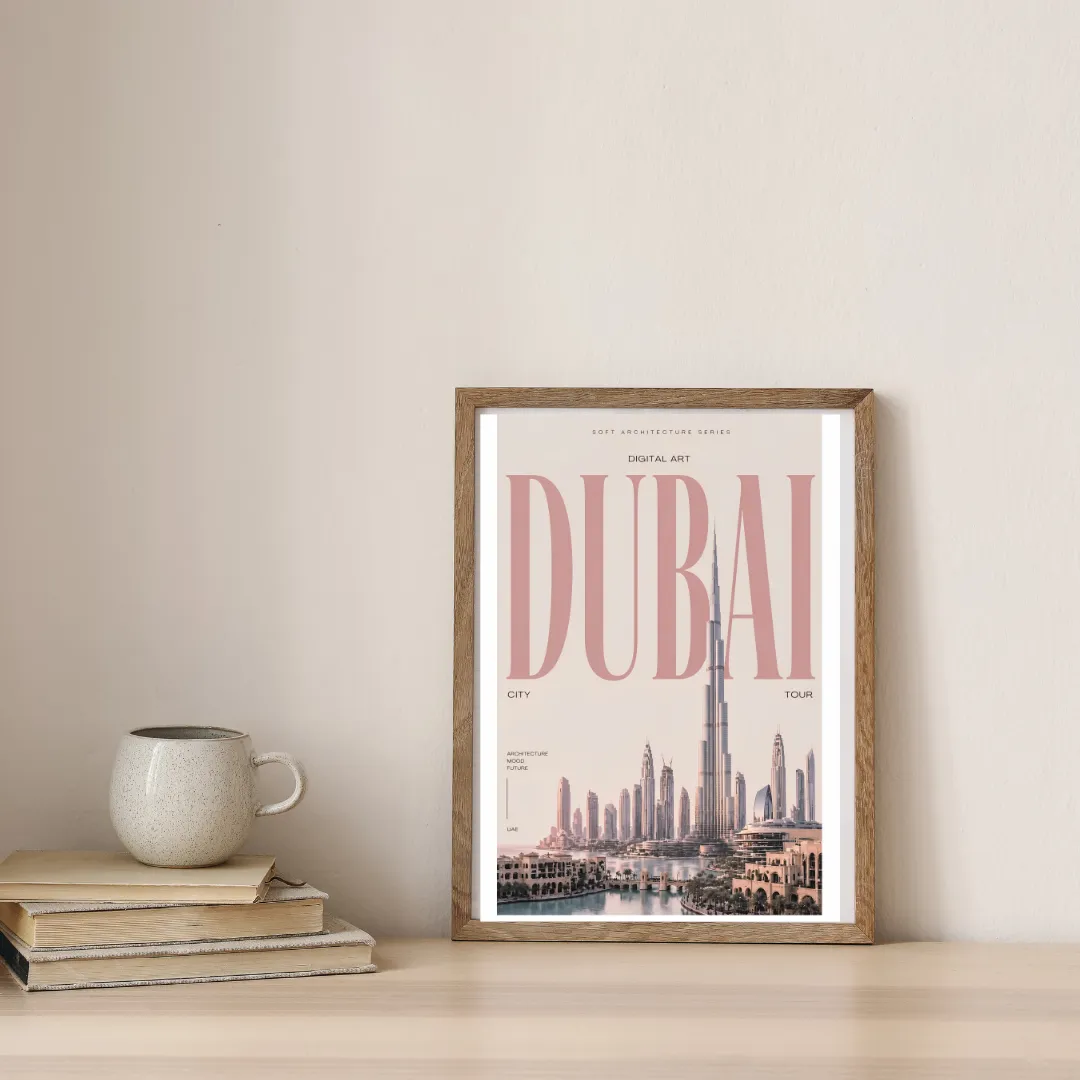
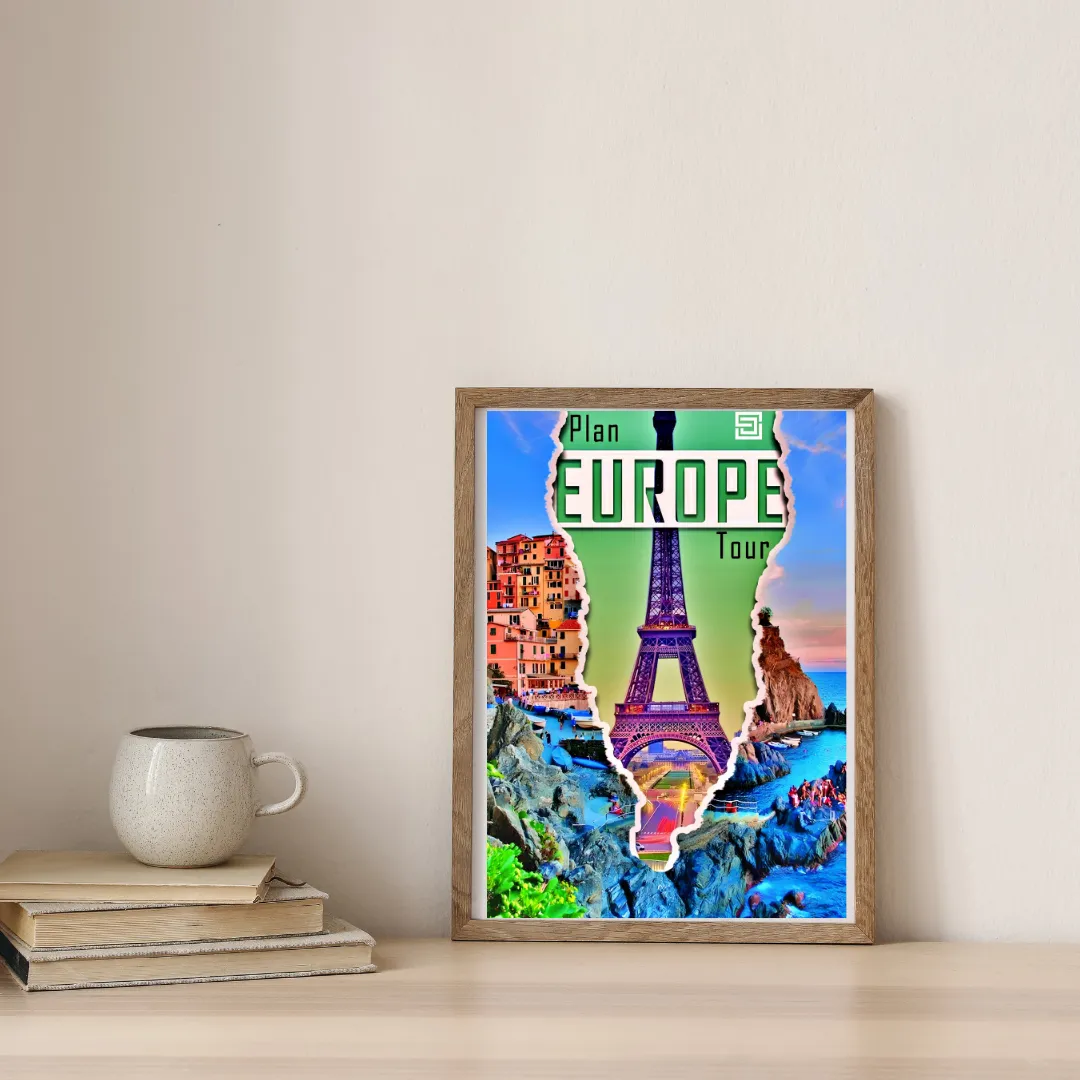
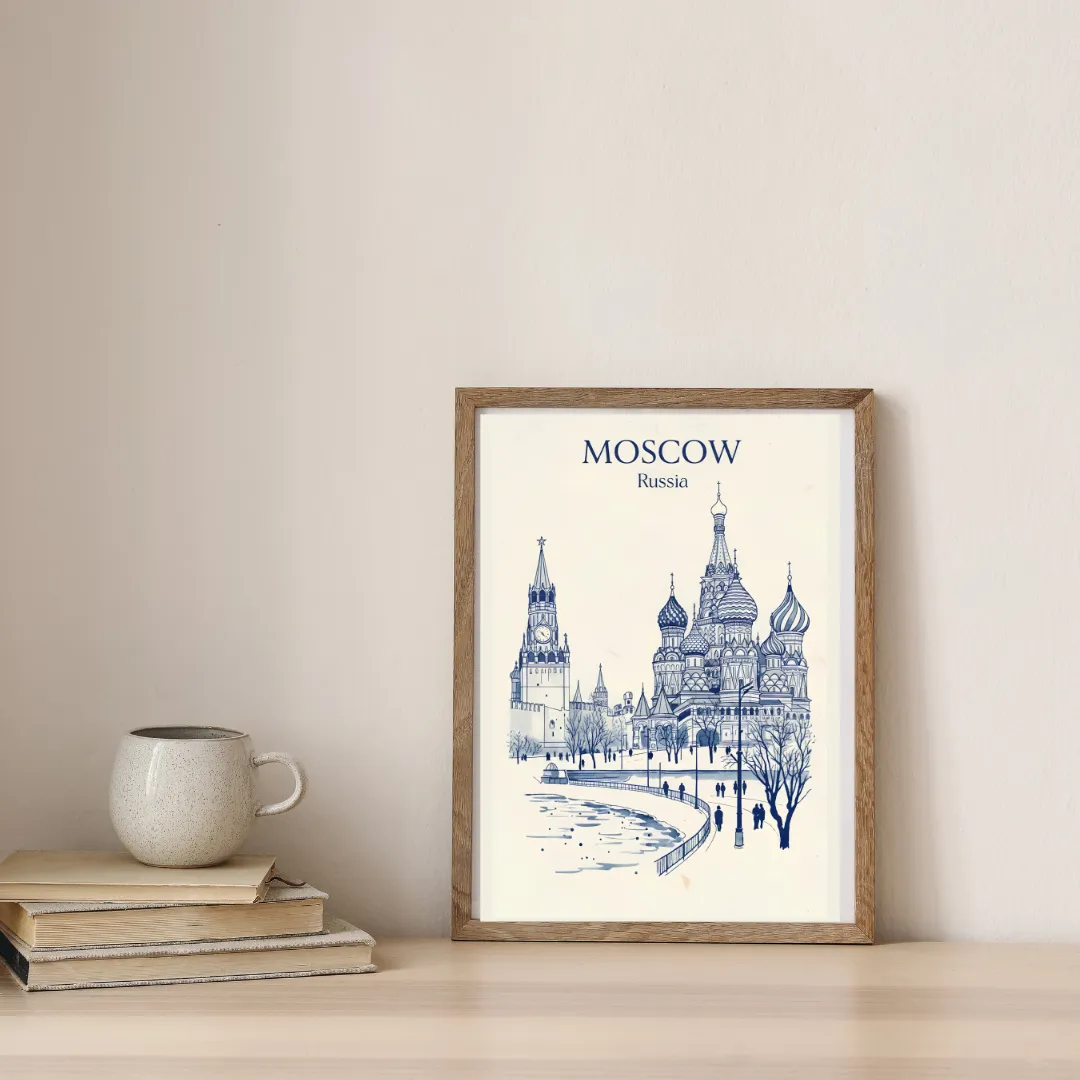
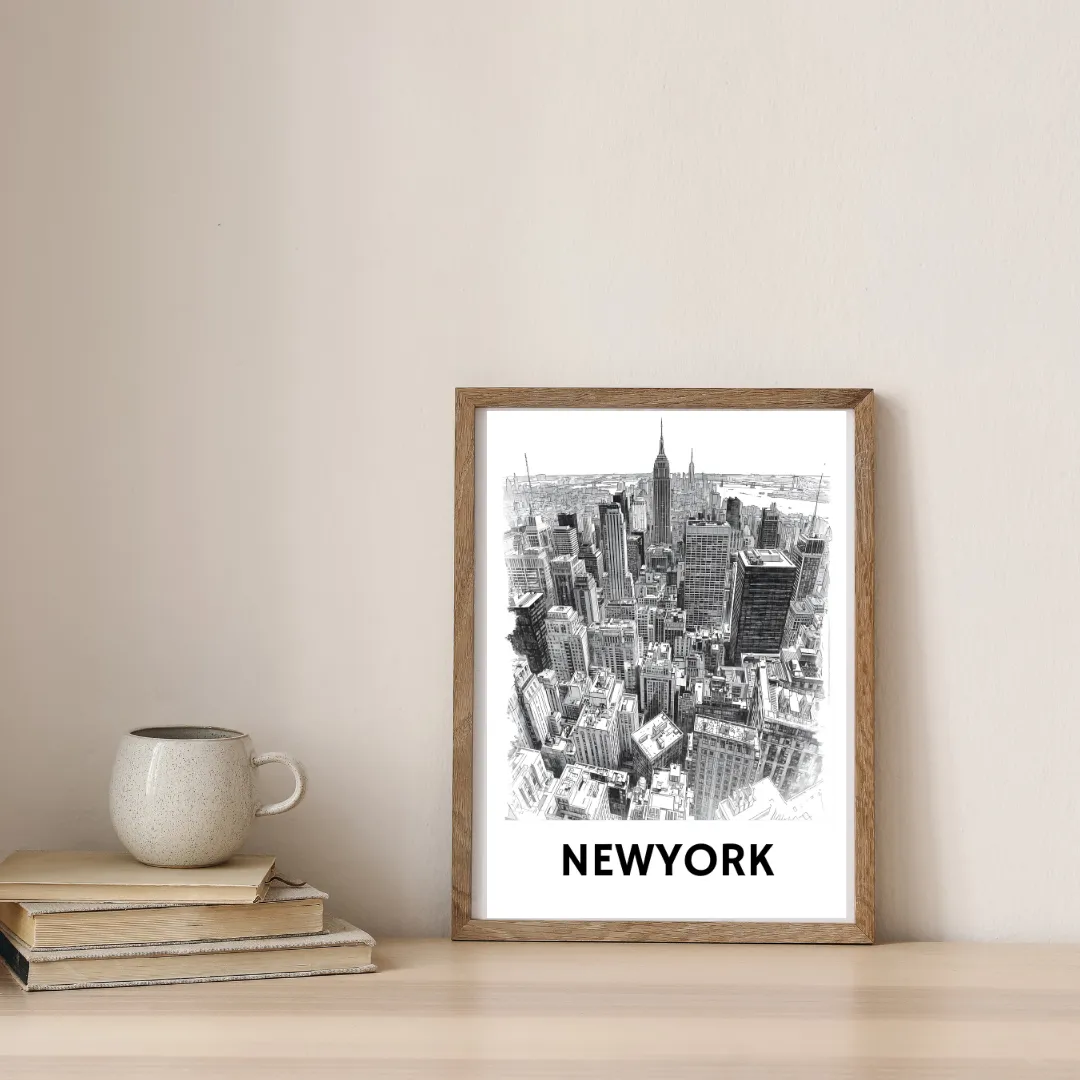
At some point, every Indian home reaches a moment of reckoning with its walls. The furniture is in place, the curtains are chosen, the cushions have been argued over and replaced twice — and then everyone looks up and notices the walls, which have been waiting patiently this entire time, holding nothing but the ambient anxiety of a space that isn't quite finished. The search for the right painting for home decoration is where that anxiety either finds its resolution or deepens considerably, depending entirely on how well-equipped you are to make the decision. This guide is here to make sure it's the former. We'll cover every style worth considering, every room worth thinking about, every sizing mistake worth avoiding, and where to buy paintings in India that will look as right in ten years as they do the day they arrive — which is the only standard that actually matters for art you're going to live with.
The single most important thing to know: A painting for home decoration is not a finishing touch. It's a foundational decision — one that sets the emotional register, the colour conversation, and the visual focal point of an entire room. Choose it with the same seriousness you gave the sofa. Give it more wall space than feels comfortable. And never, under any circumstances, buy it in a size that requires squinting from across the room to confirm it's there.
The Styles: A Complete Map of What's Available (and What Works in Indian Homes)
The Indian art print market in 2026 is large, varied, and occasionally overwhelming — which is why a clear map of the major styles, and how each one behaves in an Indian interior, is the most useful thing we can give you before you start shopping. Our guide to digital art styles worth knowing before buying prints goes deeper on the technical distinctions.
Abstract Painting Prints
Bold, expressive, endlessly versatile. Abstract prints say everything without depicting anything — which is either the most sophisticated form of communication or the most infuriating, depending on whether the right print is on your wall. In Indian homes, warm-palette abstract art in terracotta, ochre, and deep jewel tones integrates beautifully with existing colour stories.
Floral & Botanical Prints
The most universally loved home decoration category in India — and with very good reason. Botanical prints carry cultural warmth, suit almost every interior style, and transform rooms through emotional resonance rather than visual force. From precise vintage illustrations to loose watercolour florals, this is the style that almost never goes wrong.
Landscape & Nature Prints
A well-chosen landscape print creates visual breathing room in a way few other art styles manage — it opens a wall outward, suggesting space and air and distance. Indian landscape prints (the Himalayas, the Ghats, the backwaters, the Thar) carry the additional weight of cultural geography, which imported landscapes, however beautiful, simply cannot replicate.
Minimalist Art Prints
One mark. One line. One field of carefully chosen colour. Minimalist art is the most demanding style to execute and the most forgiving to live with — once it's right, it requires nothing further from the room and asks nothing further from you. In busy, richly decorated Indian homes, a minimalist print functions as a visual rest point, and rest points are more valuable than most decorating budgets account for.
Contemporary Art Prints
The catch-all category for art made now, in the visual language of now — which in 2026 includes everything from digital illustration to mixed-media compositions to Indian contemporary artists working across traditional and modern aesthetics simultaneously. Contemporary prints signal that a home is actively engaged with the present rather than decorating against it, which is a meaningfully different thing.
Vintage & Retro Prints
Old Indian railway posters. Art Deco compositions. Mid-century illustrations. Vintage prints introduce history and warmth into modern interiors without requiring the rest of the room to match their era — they're the best-travelled guests in any decorating scheme, arriving from the past and making themselves immediately at home in the present. Which is, when you think about it, an excellent quality in anyone.
Impressionist Style Prints
Painterly, warm, slightly loose in its edges — impressionist art prints capture the mood of a subject rather than its factual record. They carry an emotional generosity that more precise art sometimes lacks, and they age extraordinarily well in Indian homes where the warmth of the style continues to feel current regardless of what's happening in contemporary design trends.
Monochrome & Tonal Prints
Black, white, and every grey in between — monochrome prints are the universal adapters of home decoration. They work against any wall colour, suit any interior style, and have the rare quality of making other colours in the room look more intentional by contrast. A well-chosen monochrome print is the most reliable single investment in a room's overall coherence.
Indian & Cultural Art Prints
Contemporary art rooted in Indian visual tradition — Madhubani-inspired compositions, Kalamkari colour sense, Warli line work in a modern context, Indian geography reimagined through a fine art lens. These prints do something no imported art can: they make an Indian home feel rooted in its own culture while looking thoroughly contemporary. Identity and aesthetics, simultaneously, in a frame.
The Complete Style Comparison
| Style | Best Room | Interior Fit | Gifting Score | Mood |
|---|---|---|---|---|
| Abstract | Living room, dining room | Modern, eclectic, bold | ★★★★★ | Energy, expression, presence |
| Floral & Botanical | Any room | Universal | ★★★★★ | Warmth, calm, cultural resonance |
| Landscape & Nature | Living room, bedroom, study | Universal | ★★★★★ | Space, breath, belonging |
| Minimalist | Bedroom, study, entryway | Modern, Japandi, calm | ★★★★★ | Quiet, intention, restraint |
| Contemporary | Living room, office | Modern, statement | ★★★★☆ | Now, confident, alive |
| Vintage & Retro | Study, dining, entryway | Eclectic, heritage, literary | ★★★★★ | Story, warmth, nostalgia |
| Impressionist | Dining room, living room | Warm, traditional-modern | ★★★★★ | Warmth, beauty, timelessness |
| Monochrome & Tonal | Any room | Universal adapter | ★★★★★ | Sophistication, coherence |
| Indian & Cultural | Any room | Traditional-modern, eclectic | ★★★★★ | Identity, pride, rootedness |
Room-by-Room: The Right Painting for Every Space
The same painting can be the right choice in one room and the wrong one in another — because rooms have different emotional briefs, different viewing distances, different lighting conditions, and different relationships with the people who use them. Our room-by-room guide to art in the home goes into placement detail for every style and every space.
The Statement Room
The living room is where a painting does its most public work — seen by everyone, discussed by guests, and lived with daily. It calls for your most confident choice: a large abstract, a bold landscape, a dramatic botanical. The size rule is non-negotiable here: 24×36 inches minimum for a single piece, 30×40 or above for the main feature wall. A gallery of 5–7 prints in coordinated frames is equally effective when the wall calls for layering rather than a single statement. Full living room art layout guide.
The Sanctuary Room
Bedroom art has one brief: create calm. Watercolour botanicals, soft landscape prints, minimalist abstracts in muted palettes — these are the bedroom's natural vocabulary. Above the bed is the prime position: centre the print on the headboard wall, bottom of frame 15–20 cm above the headboard, and go larger than instinct suggests. 24×30 inches is the minimum for a single piece above a standard Indian double bed. Bedroom art styling guide for Indian homes.
The Gathering Room
The dining room asks art to elevate a meal into an occasion. Bold impressionist prints, vintage illustration sets, dramatic landscape panoramas, or rich botanical compositions — any of these transforms a dining room wall into a backdrop worth sitting in front of. Size up generously: a 30×40 inch print or a curated 2×2 grid of 16×20 inch prints on the main dining wall makes the difference between a room and a restaurant — and Indian food, which is already extraordinary, deserves the better setting.
The First Impression Room
The entryway delivers the home's first impression before a guest has processed anything else about the space. One strong print — confident in its style, properly framed, hung at eye level — does more for a home's perceived character than almost any other single decorating choice. Portrait orientation works best in narrow entryways. Choose something with genuine presence: a bold vintage poster, a striking botanical, a graphic contemporary print. Tentative art in entryways is the interior design equivalent of a weak handshake.
The Focus Room
Art in a home office should support work rather than compete with it. Landscape prints (which measurably reduce cognitive fatigue), minimalist abstracts, vintage maps, and botanical illustrations are all excellent choices — visually interesting at a glance, visually neutral at depth. Avoid high-drama gestural abstracts or very saturated contemporary prints in work spaces: they win attention competitions with the task at hand, and the task at hand would like to win occasionally.
The Growing Room
Art in children's spaces should grow with the child. Nature prints, botanical illustrations, minimalist animal art, and gentle landscape prints in soft warm palettes all suit nurseries through adolescence — they never feel babyish, never feel too adult, and age gracefully in a way that character-licensed art, which has very strong opinions about which specific animated franchise your child should admire, rarely manages.
The Sizing Guide: Never Buy Too Small Again
The most common home decoration mistake in Indian homes — and possibly everywhere — is buying paintings that are too small for the wall. A print that looked substantial online looks stranded on an actual wall, which is a specific kind of disappointment that arrives by courier and requires an entirely new purchase to resolve. The fix is simple: measure your wall, apply the 60–75% rule, and then use the newspaper test before ordering anything. Our guide to choosing affordable art that looks high-end covers sizing strategy in detail.
A single painting should cover 60–75% of the wall width it occupies — not the full room width, the specific wall section. For art above furniture (sofa, bed, sideboard), the painting should be approximately two-thirds the width of the furniture beneath it. Gallery walls should collectively fill the same proportion. Everything below 60% risks looking like it arrived by accident and hasn't decided whether to stay.
Painting Size Guide for Indian Home Spaces
| Space | Single Print (Recommended) | Gallery / Set Option |
|---|---|---|
| Living room main wall | 30×40 inches or larger | 5–7 prints, 12×16 to 18×24 inches |
| Above sofa | 24×36 inches minimum | Triptych: 3 × 12×16 inches |
| Above bed (double / queen) | 24×30 to 24×36 inches | Pair of 16×20 inches |
| Dining room feature wall | 24×36 to 30×40 inches | 2×2 grid of 16×20 inches |
| Entryway / hallway | 16×20 to 20×30 inches (portrait) | Vertical stack of 2–3 |
| Home office / study | 18×24 inches | Pair of 12×16 inches |
| Nursery / kids' room | 18×24 inches | 3 prints in horizontal row |
| Bathroom | 12×16 inches | Single print, framed behind glass |
Colour: Choosing a Painting That Belongs in Your Home
The most reliable approach to choosing a painting's colour palette for an Indian home is not to find something that matches your existing colours but to find something that converses with them. A print that matches is decoration; a print in dialogue is art — and the difference is usually one colour: the one in the painting that isn't quite in the room yet, but should be.
For Warm Interiors (Terracottas, Ochres, Natural Wood)
Paintings in earthy, warm palettes — dusty rose, sage green, warm ivory, burnt sienna, deep amber — integrate naturally into warm Indian interiors. Abstract art in these tones feels rooted. Botanical prints in earthy florals feel culturally resonant. Landscape prints in warm golden light feel like the room has always known them. If your interior is warm and you find a painting that makes you feel at home before you've even decided you like it, that's the one.
For Neutral and White-Walled Interiors
White and off-white walls give paintings the most interpretive freedom — they can carry colour with full force, and the wall will simply agree. Deep jewel tones (emerald, sapphire, burgundy) look extraordinary against white. So do rich botanical prints, dramatic landscapes, and bold abstract compositions. If you have white walls and are still choosing small, safe, muted paintings for them, you are — with genuine affection — missing an opportunity.
For Already Maximalist Interiors
In rooms already rich with pattern, colour, and texture — which describes a significant portion of Indian homes in the most complimentary possible way — paintings work best in tonal, muted palettes that provide rest rather than competition. A soft watercolour. A monochrome botanical illustration. A muted abstract in warm grey and cream. These prints don't fight the room; they give the eye somewhere to breathe between everything else that's going on, which is both a practical function and a quietly sophisticated interior design move.
Indian interiors already do colour brilliantly — the textiles, the metalwork, the architectural details, the seasonal flowers on the doorstep. A painting for home decoration doesn't need to add more colour to that conversation. It needs to organise it — to give the room a visual anchor around which all that beautiful colour makes sense. That's the painting's job, and the right one does it without asking for credit.
Paintings as Gifts: The Art of the Right Choice
Paintings are among the most considered gifts in Indian culture — because a painting that lands well says something specific about the giver's attention, taste, and knowledge of the recipient. Unlike most gifts, a good painting improves in meaning over time: it accumulates memories, witnesses years of the recipient's life, and becomes more personal with every passing season. Our complete guide to gifting artwork in India.
The most impactful housewarming gift possible: a large painting for the main living room wall that becomes the home's first significant art. Go bigger than feels comfortable, choose a palette that works with neutral walls, and give something that will still be on that wall in twenty years. That's the benchmark for a truly good housewarming gift, and a well-chosen painting meets it.
Paintings in warm festive palettes — gold, deep rose, amber, saffron, rich ochre — carry the spirit of Diwali's light and celebration without being thematically limited to October. The best Diwali art gift looks as right in April as it does at the festival, which is the only test worth applying to anything that's going on a wall permanently.
A pair of complementary paintings — a diptych where two prints work together as one composition — makes a wedding gift with genuinely elegant symbolism. Two paintings, one home, one life. The metaphor is there if the recipients want it. Either way, the art remains, and it was chosen with thought, which is more than can be said for most of what ends up on the wedding gift table.
A painting from the recipient's birth decade — a vintage print from the era they grew up in, an illustration in the style of their formative years — is a milestone birthday gift that says: I know who you are, not just how old you are. That distinction, in a gift, is everything.
How to Buy Paintings for Home Decoration Online in India
Online art buying in India has matured significantly — there are genuinely excellent options available, and genuinely disappointing ones, often at similar prices and with similar-looking product photography. Here's how to tell the difference before the parcel arrives. Our complete smart buyer checklist for art prints online.
What Matters: Print Quality
Giclée or archival inkjet printing on acid-free fine art paper at 200 GSM or above, using archival pigment inks. These produce colours that are accurate and lasting — 75+ years without significant fading under normal conditions. Standard inkjet or laser printing on lightweight paper looks acceptable in product photography and disappointing in a frame. Ask, or look for stores that state their print specifications clearly. Vagueness about materials is rarely a sign of quality materials. Read our comparison of digital art vs traditional art for wall prints.
What Matters: Colour Accuracy
Product photography on art retail sites varies enormously in its fidelity to actual print output. Colour-calibrated photography — where the image on screen genuinely represents the print you'll receive — is the standard to look for, and it's mentioned by stores that maintain it because it's a meaningful differentiator. At Lurevi, every painting print is photographed and calibrated to accurately represent actual output. What you see is reliably what arrives.
What Matters: Framing
A painting print without a frame is potential. A properly framed painting print is art. The frame protects (glass against humidity and dust), presents (a good frame elevates a print from decoration to artwork), and personalises (frame choice is a design decision that makes the print specifically yours rather than generically available). Our complete guide to framing art prints in India.
What Matters: Hanging Height
Centre of artwork at 145–152 cm from the floor. Above furniture, 15–20 cm of clear space between the top of the furniture and the bottom of the frame. These are gallery-standard measurements, and they work because they've been tested in enough rooms by enough people to have become reliable. Hanging art too high — India's most common hanging mistake — makes art feel disconnected from the room and the people in it, which is the opposite of what decoration should do.
Measure your wall. Cut newspaper to the intended print size. Tape it to the wall at the correct hanging height. Step back. If it looks right, order that size. If it looks small — and it almost always does — order one size larger. Repeat until it looks like art rather than a note left on the wall. This process takes twelve minutes and costs nothing, which makes it the best return on investment in Indian home decoration.
Frequently Asked Questions
What kind of painting is best for home decoration in India?
The best painting for home decoration depends on the room and the interior style, but the most universally effective categories in Indian homes are floral and botanical prints (warm, culturally resonant, suit almost any space), abstract art (versatile, expressive, and the fastest-growing category in Indian home décor), and landscape prints (which create visual breathing room in typically busy Indian interiors). For gifting and broad appeal, botanical prints and monochrome art are the safest choices. For maximum personal impact, the right style is whichever one consistently stops you mid-scroll and makes you want to see it on your wall.
Which room should I put a painting in first?
The living room, because it's the room most people spend the most time in and the space where art has the highest daily impact. A well-chosen painting on the main living room wall anchors the entire space — making the furniture arrangement look more intentional, the colour choices more considered, and the room as a whole feel finished rather than furnished. If budget is a consideration, one large, well-chosen painting in the living room delivers more decorating value than three smaller paintings spread across different rooms.
How do I choose the right size painting for my home?
A single painting should cover 60–75% of the wall width it occupies. For art above furniture, the painting width should be approximately two-thirds the furniture width. For a standard Indian living room main wall, 24×36 inches is the minimum for a single statement piece — 30×40 inches or larger is ideal. For bedrooms, 18×24 inches is the minimum above a bedside table; 24×30 to 24×36 inches above the bed. Use the newspaper test before ordering: tape paper cut to your target size on the wall, step back, and assess. Going too small is the most common and most easily corrected home decoration mistake.
Is it better to buy original paintings or art prints for home decoration in India?
For most Indian homes, high-quality archival art prints are the more practical and often superior choice for home decoration. They offer the same visual impact as original paintings at a fraction of the cost, are produced to museum archival standards (75+ years of colour stability when framed correctly), and allow you to decorate multiple rooms or build gallery walls at a budget that original paintings cannot match. Original paintings carry the irreplaceable quality of unique physical creation, but for daily home decoration across multiple spaces, curated archival prints from quality retailers like Lurevi deliver comparable beauty with significantly greater flexibility.
How high should I hang a painting for home decoration?
The centre of any painting should be at approximately 145–152 cm (57–60 inches) from the floor — this is gallery eye level and works in virtually every Indian home. When hanging above furniture (sofa, bed, sideboard, console), maintain 15–20 cm of clear space between the top of the furniture and the bottom of the frame. Hanging art too high is the most common placement mistake in Indian homes — it makes art feel disconnected from the room and from the people in it. When in doubt, go lower rather than higher; the eye follows the room's furniture line, not the ceiling.
What is the best way to buy paintings online for home decoration in India?
Look for retailers who are transparent about their print specifications: giclée or archival inkjet printing, acid-free paper at 200 GSM or above, archival pigment inks, and colour-calibrated photography that accurately represents actual print output. Measure your wall before ordering and apply the 60–75% wall-width rule for sizing. Always check the return and damage policy — art that arrives damaged should be replaceable without argument. At Lurevi, all paintings for home decoration are produced on archival fine art paper, photographed true-to-colour, and delivered in protective packaging across India with free delivery and straightforward returns.
Your Home Is One Painting Away From Being Complete
Every room you've been meaning to finish, every wall that's been waiting patiently since you moved in, every space that's almost right but not quite — they're all one well-chosen painting away from resolution. At Lurevi.in, we have paintings for every room, every style, every budget, and every Indian home — produced on archival fine art paper with museum-grade inks, curated with Indian interiors specifically in mind, and delivered carefully to wherever your walls are waiting.
Stop meaning to. Start looking.
Browse All Paintings on Lurevi → Shop Painting Gift Sets →✦ Free delivery across India · Archival quality guaranteed · Packaged with care, every order