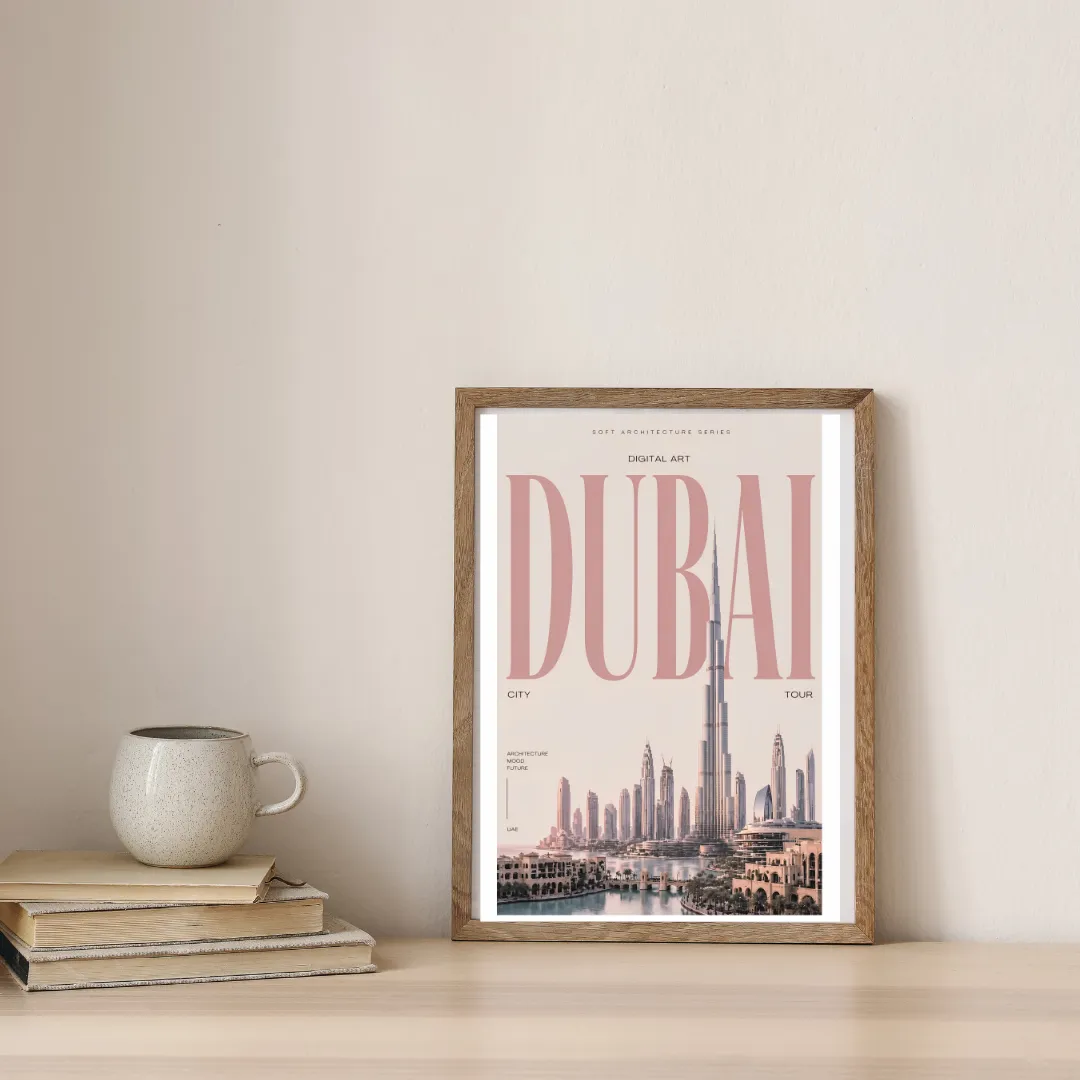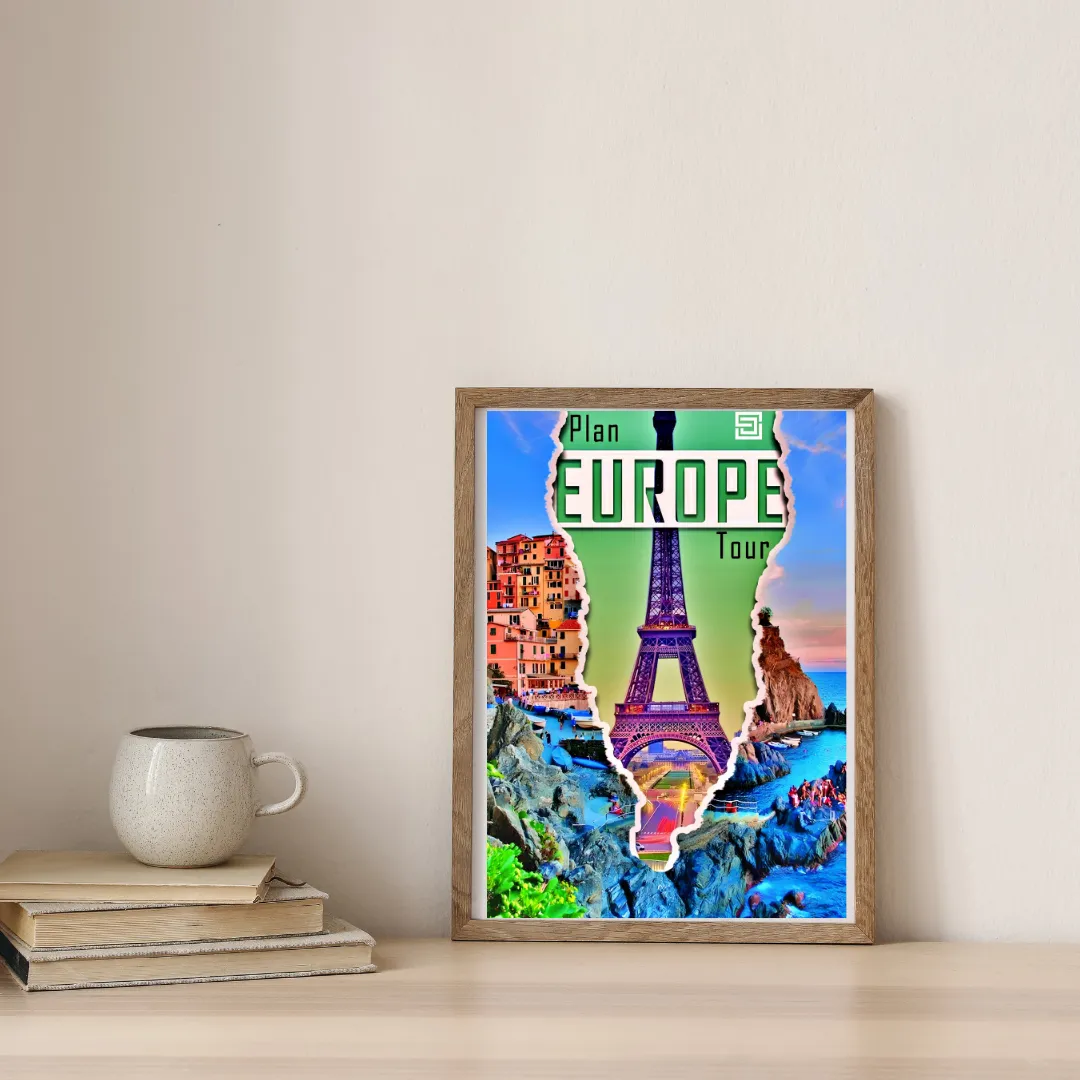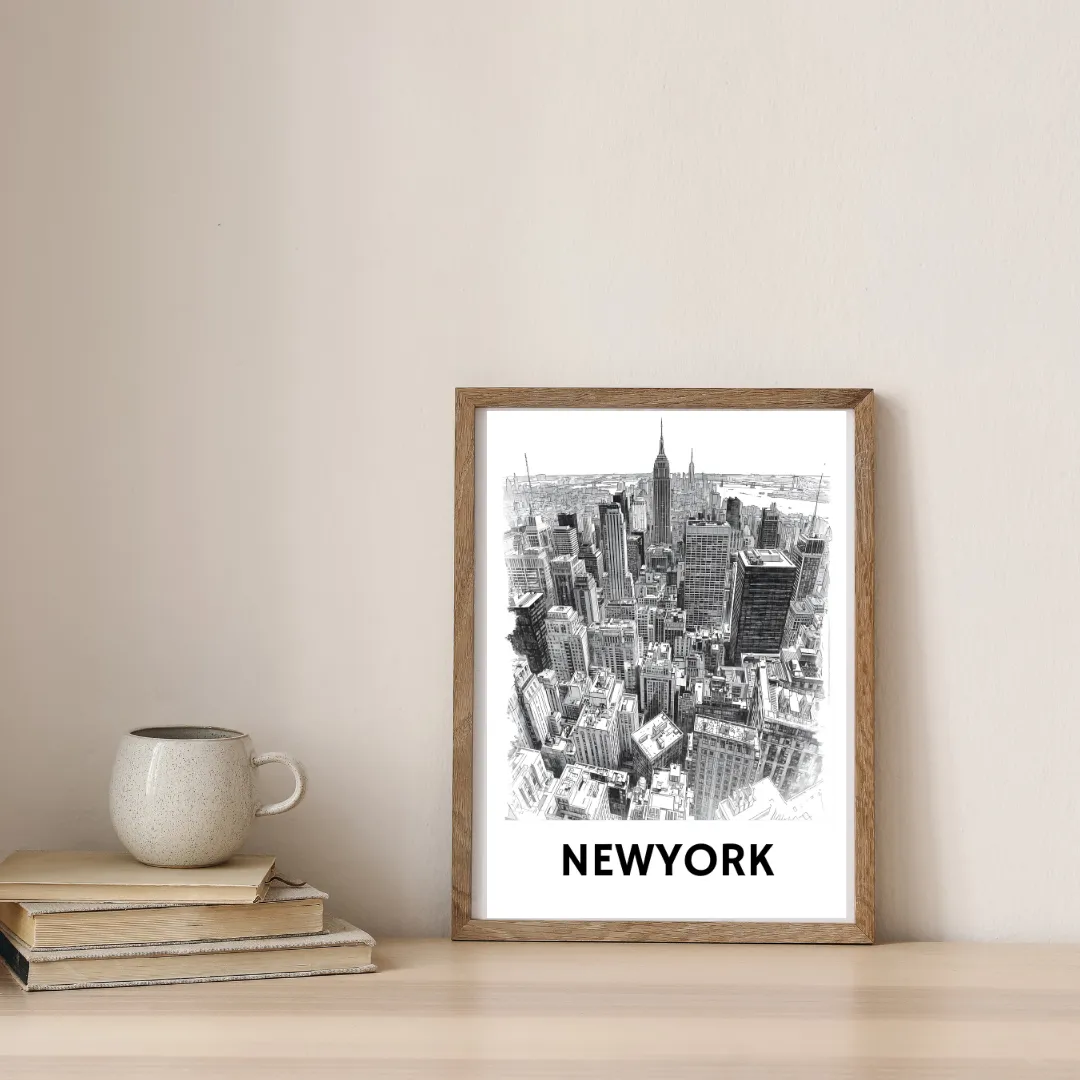
So, you’ve just purchased a beautiful digital drawing or ordered a few high-quality digital art prints to elevate your space. The design is perfect, the colors are exactly what you wanted, and you can’t wait to see them on your wall.
But there’s one final, crucial step: framing.
How you frame your art can make the difference between a poster that looks like it belongs in a dorm room and a piece of gallery-worthy luxury decor. Framing in India comes with its own unique set of standards, sizes, and challenges (like finding the right hooks for solid concrete walls!).
In this step-by-step guide, we’ll show you how to easily frame your digital prints at home in India, from sizing and sourcing to DIY framing and hanging.
1. Print Sizes and Standard Frame Sizes in India
Before buying a frame, you need to understand the dimensions of your artwork. In India, most digital art marketplaces like Lurevi supply prints in international standard paper sizes (A-series) or standard inch ratios.
Here is a quick reference table of standard A-series dimensions:
| Size | Dimensions (in cm) | Dimensions (in inches) | Best Suited For |
|---|---|---|---|
| A4 | 21 x 29.7 cm | 8.3 x 11.7 inches | Desks, bedside tables, gallery wall grids |
| A3 | 29.7 x 42 cm | 11.7 x 16.5 inches | Corridors, kitchen walls, medium rooms |
| A2 | 42 x 59.4 cm | 16.5 x 23.4 inches | Living room statement pieces, master bedrooms |
| A1 | 59.4 x 84.1 cm | 23.4 x 33.1 inches | Above sofas, statement focal points |
The Power of Matting (Mounting)
When selecting a frame, you have two choices:
- Frame-to-Edge: The frame is the exact size of your print. (e.g., an A3 print in an A3 frame). This looks modern, clean, and minimalist.
- Matted Framing: The frame is larger than the print, with a thick border of cardboard (called a mat or mount) surrounding the art. This adds breathing room and gives a premium, professional gallery look. For an A4 print, choose an A3 frame with an A4 mat opening.
2. Where to Get Frames in India
Finding the right frame depends on your budget and how custom you want the final look to be:
Option A: Local Framing Shops (Lamination & Custom Framing)
Every neighborhood in India has a local glass and frame shop (often labeled as Glass & Picture Framers).
- Pros: Highly custom, endless border styles (wood, metallic, plastic), and they will handle the assembly for you.
- Cons: Can take 2–5 days; price varies depending on the wood quality and glass selection.
- Curator's Tip: Ask for non-reflective glass (matte/anti-glare glass). Standard float glass acts like a mirror in rooms with bright overhead tubelights or warm bulbs, which ruins the visibility of your digital drawing.
Option B: Readymade Online Frames
If you want a quick DIY solution, readymade frames are widely available on platforms like Amazon India, Ikea India, and specialized home decor websites.
- Pros: Affordable, delivered directly to your doorstep, and easy to swap prints out later.
- Cons: Limited to standard sizes (A4, A3, 12x18 inches); mostly made of engineered wood (MDF) or plastic.
3. DIY Framing Tips: Step-by-Step Assembly
If you bought readymade frames online and want to assemble them at home, follow these steps to keep your prints clean and aligned:
- Clean Your Workspace: Wipe down your table. Dust is the archenemy of framing. One tiny hair or dust particle trapped under the acrylic will drive you crazy once it is on the wall.
- Clean the Acrylic/Glass: Use a microfiber cloth and glass cleaner to clean both sides of the glass or acrylic insert. Let it dry completely.
- Align the Print: If using a mat, center your print behind the mat window. Use acid-free painter's tape (or standard paper tape) to secure only the top edge of the print to the mat. Do not tape all four sides, as changes in humidity will cause the paper to warp if it cannot expand slightly.
- Secure the Backing: Place the print/mat sandwich inside the frame, put the backing board on, and lock the metal tabs.
4. Hanging Tips for Indian Walls
Unlike drywall commonly found in Western homes, Indian walls are almost always made of solid brick, concrete, or thick plaster. This requires a different approach to hanging:
- For Lightweight Frames (A4 or A3 with Acrylic): You can avoid drilling by using high-quality double-sided tape (like 3M VHB tape) or adhesive hooks (like Command strips). Make sure to wipe the wall clean of dust or chipping paint before applying.
- For Heavy Frames (A2, A1, or Glass Fronts): Do not risk using tape. You will need to drill a hole, insert a plastic wall plug (rawlplug), and screw in a metal screw.
- Hanging Height: The golden rule of galleries is to hang art at eye level—specifically, the center of the print should be 57 to 60 inches (approx. 5 feet) from the floor. If hanging above a sofa or headboard, leave 6 to 8 inches of clearance between the top of the furniture and the bottom of the frame.
Find your next favorite art piece
Browse our collection of curated, frame-ready prints designed to elevate your walls.
Browse frameable printsExplore our related collections: Landscapes Art, Abstract Art, Minimalist Art