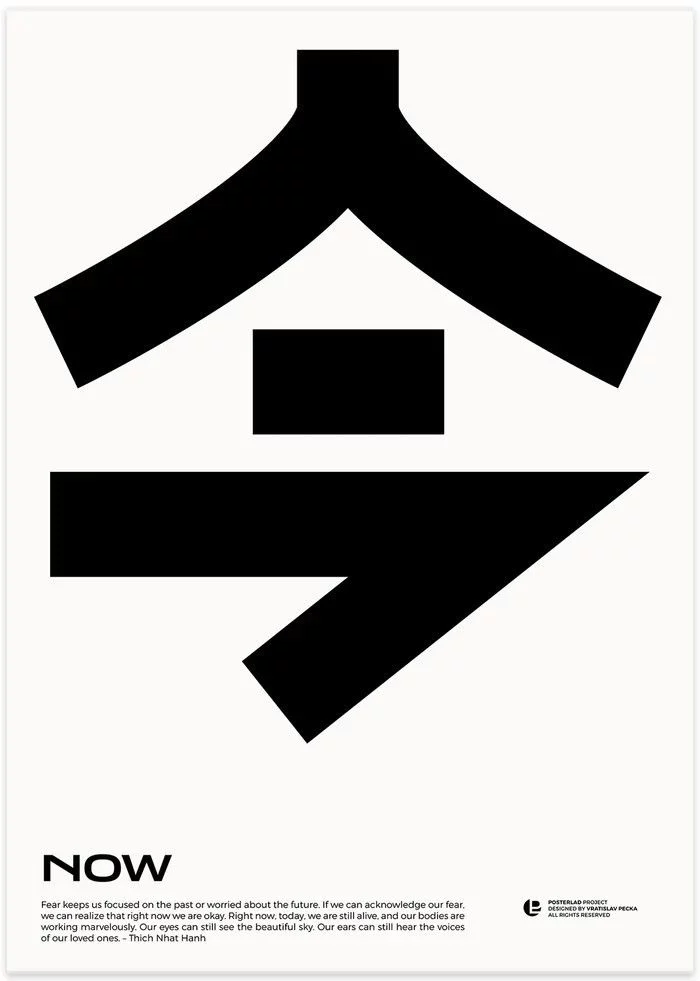
Digital art vs traditional art for wall prints
When it comes to decorating your home with striking visuals, you are often faced with a choice: should you buy a print of a traditional painting, or opt for digital art created specifically for modern mediums? Both have their unique charm, but when the end goal is a high-quality wall print, they perform very differently.
In this comprehensive guide, we delve into the core differences between digital art vs traditional art to help you make an informed decision about which truly makes a better wall print for your space.
What is Digital Art vs. Traditional Art?
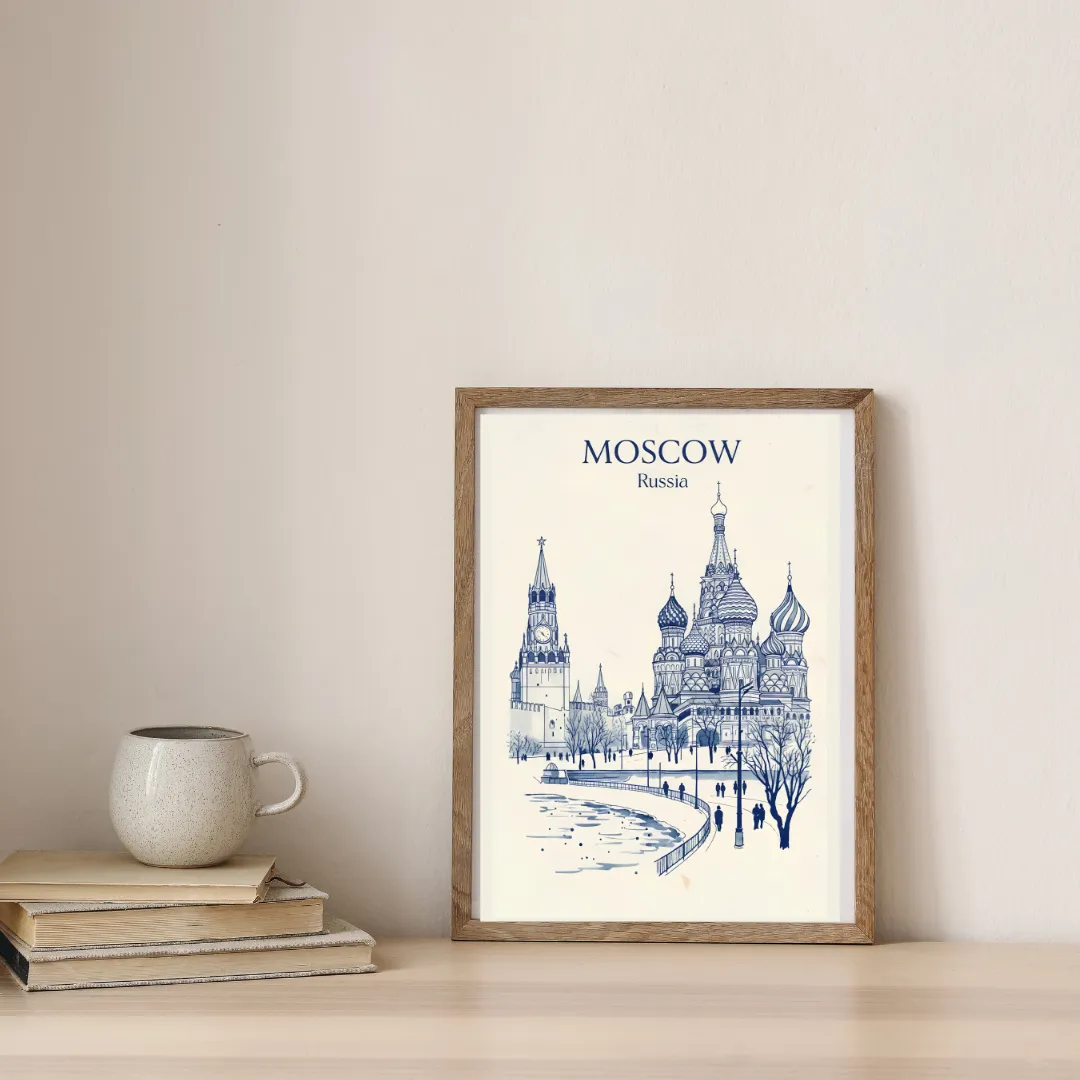
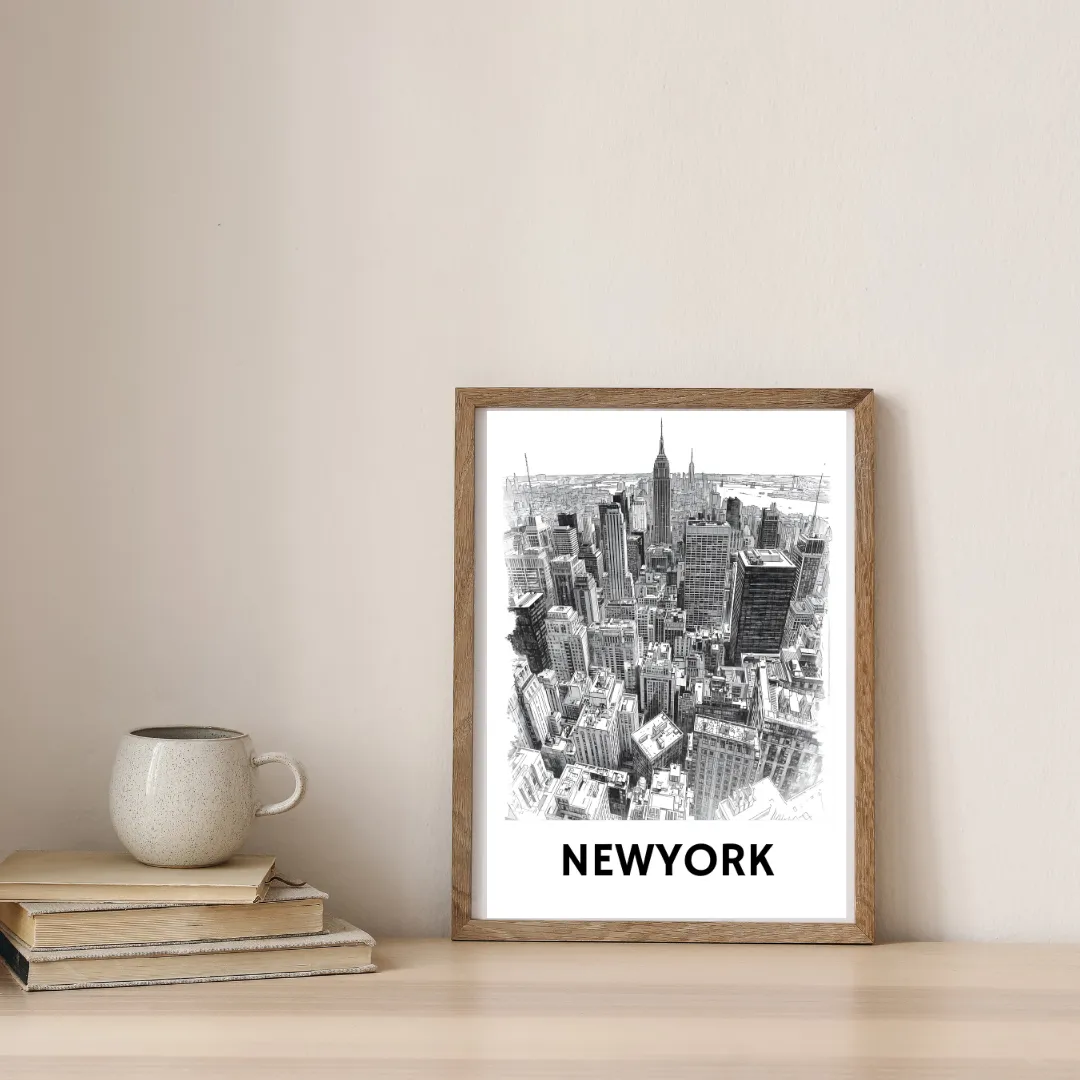
Traditional Art refers to physical mediums: oil paints on canvas, watercolors on paper, charcoal, and acrylics. To turn a traditional piece into a print, the original artwork must be photographed or scanned at a very high resolution.
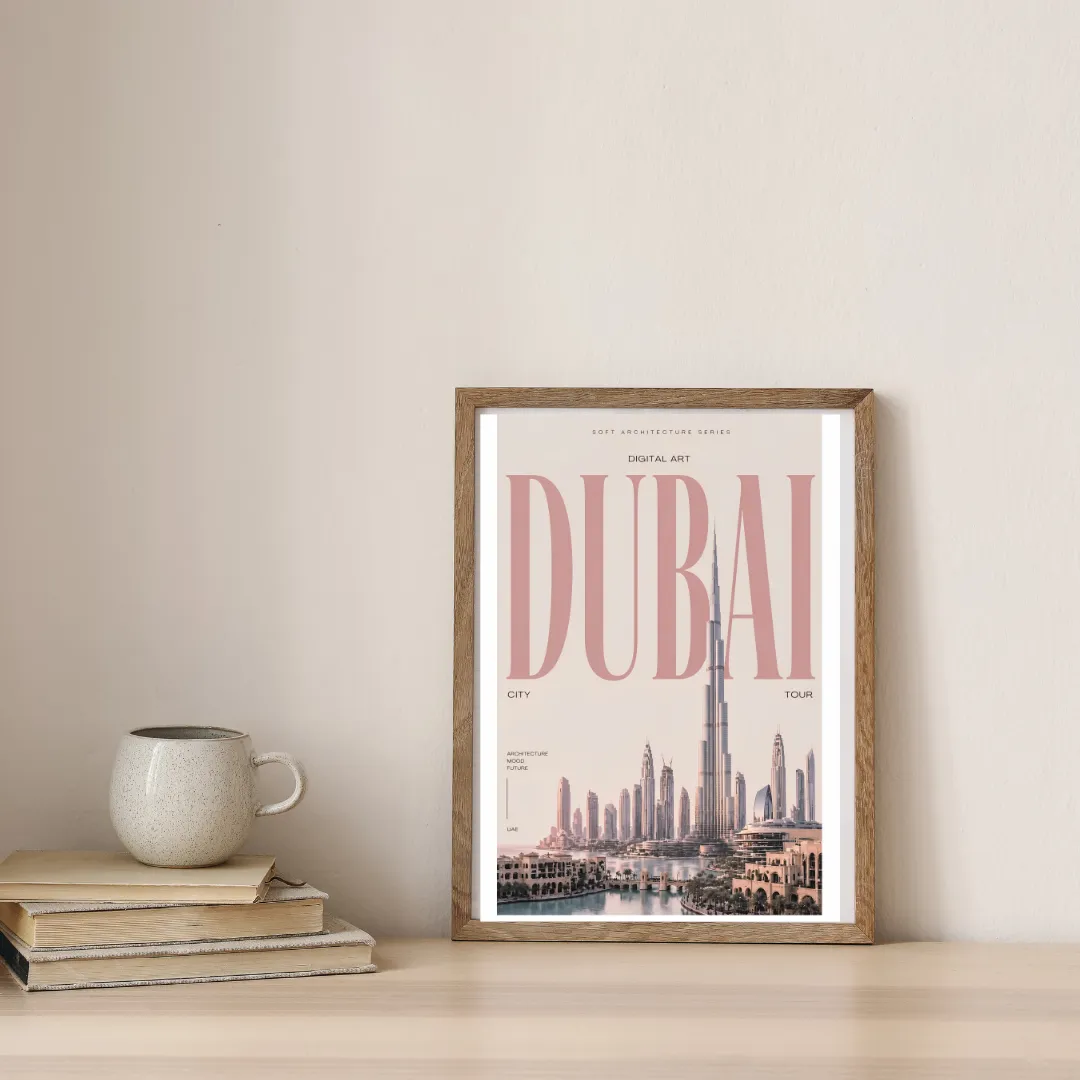
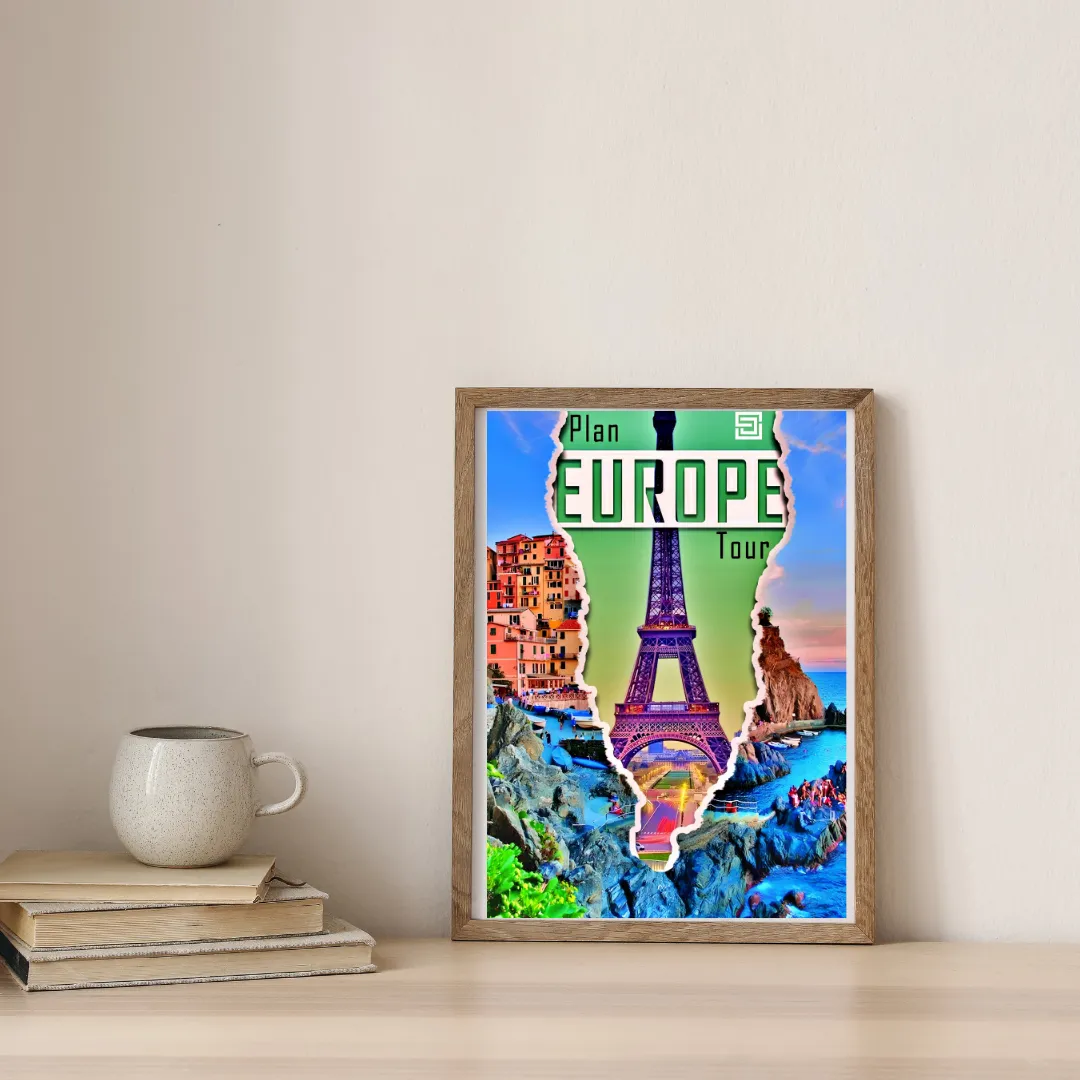
Digital Art (including digital painting and vector illustration) is created entirely on a digital device—like an iPad Pro or a Wacom tablet—using software such as Procreate or Adobe Photoshop. Because it is born digitally, there is no scanning process required; the file is exported directly to the printer. Understanding this fundamental distinction is crucial when evaluating digital art vs traditional art for print quality and other factors we will explore.
Colour Accuracy in Print
When evaluating digital art vs traditional art for their suitability as wall prints, colour accuracy is a critical factor that often sets them apart.
Traditional Art Prints
When a traditional painting is scanned, lighting and camera sensors can slightly alter the original hues. Achieving a 100% accurate reproduction of an oil painting's vibrant reds or deep blues is notoriously difficult. Furthermore, traditional paints have textures (impasto) that cast shadows when photographed, which can look flat or "muddy" when printed on smooth paper.
Digital Art Prints
Because a digital painting is created in a color space designed for screens and printers (RGB/CMYK), the color translation is incredibly precise. When printed on high-quality archival paper, the colors are exactly as the artist intended—crisp, vibrant, and perfectly balanced, with no scanning artifacts or unwanted shadows.
Winner for Print Clarity: Digital Art
Longevity and Durability
Both digital and traditional art prints rely on the quality of the printer and paper.
At Lurevi, our digital art prints are produced using museum-grade 200 GSM matte paper and archival pigment inks. This ensures that a digital print can last decades without fading, provided it is kept out of direct, harsh sunlight. Traditional art prints offer the same longevity if printed with identical archival methods. However, original traditional art (like an actual watercolor) is highly susceptible to humidity, light, and temperature changes.
Winner: Tie (depends entirely on the printing materials used)
Cost Comparison
Traditional Art
Buying an original oil painting is a significant investment, often costing tens of thousands of rupees. Even limited-edition prints of famous traditional works command a premium because of the artist's established physical gallery presence and the expensive scanning process involved.
Digital Art
Digital art democratizes luxury decor. Because there are no physical material costs (canvas, expensive pigments) or scanning fees during the creation process, artists can offer ultra-high-resolution prints at much more accessible prices. You can easily find a premium, large-format digital art print for a fraction of the cost of a traditional original.
Winner for Budget-Friendly Luxury: Digital Art
Collectability and Exclusivity
Traditional art has historically been valued for its uniqueness—there is only one physical original. For serious art investors, a one-of-a-kind physical canvas holds undeniable prestige.
However, the landscape is changing. Digital artists now offer limited-run prints, ensuring exclusivity. While you may not own a physical canvas with wet paint, you own a piece of modern, curated design that speaks to contemporary aesthetics.
Winner for Investors: Traditional Original Art
Winner for Interior Decorators: Digital Art Prints
Ultimately, the choice between digital art vs traditional art for wall prints boils down to personal preference, budget, and desired aesthetic. While traditional art holds historical value and unique physical textures, digital art offers unparalleled colour accuracy, affordability, and versatility for contemporary spaces.
Frequently Asked Questions
Does a digital painting look like a "real" painting when printed?
Yes. Many digital artists use specialized digital brushes that mimic the texture and flow of oil, watercolor, or charcoal. When printed on high-quality textured paper or canvas, a digital painting can look incredibly similar to a traditional piece, but with sharper, cleaner edges.
Can I print digital art myself?
Absolutely. Many digital artworks are sold as high-resolution instant downloads. You can purchase the file and have it printed at a local professional print shop, giving you total control over the paper type and frame.
Which style is better for modern Indian homes?
For modern, minimalist, or contemporary Indian homes, digital art often provides the clean lines and precise color palettes that complement modern furniture. Traditional art prints work beautifully in heritage or classically styled spaces.
Discover flawless digital prints
Explore our curated collection of pristine, gallery-quality digital artwork designed to transform your walls.
Explore Lurevi's collectionExplore our related collections: Popular Shows Art, Minimalist Art, Woman ArtAbstract Wall Art: The Ultimate Guide to Modern Interior Elegance
Explore our related collections: Floral Art, Funny Art, Monochrome Art