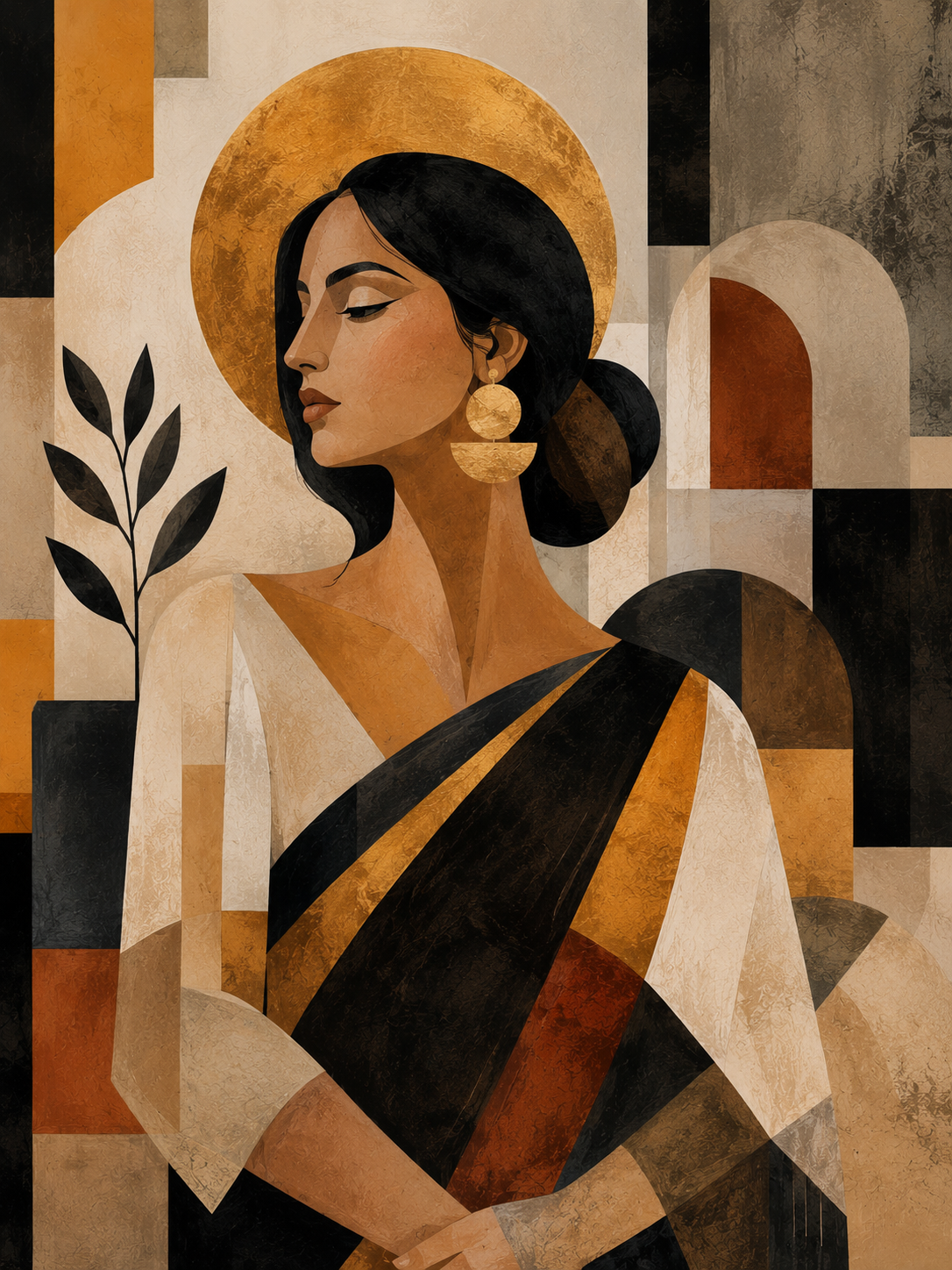
Digital art has redefined the boundaries of modern home decor. While traditional paintings on canvas will always hold their classic appeal, the world of digital painting offers a fresh, vibrant, and highly detailed alternative for modern interiors.
However, a common question remains: How is a digital painting actually made? And more importantly, how does a file created on a screen transform into a premium, museum-quality print hanging on your living room wall?
This guide demystifies the entire digital painting process, explaining the creative tools, technical conversions, fine art paper selection, and precision framing required to bring high-end art into your space.
Step 1: The Creative Spark — Drawing on the Digital Canvas
The journey of any digital painting begins exactly like a traditional one: with a blank canvas and an artist's vision. However, instead of physical easel boards, brushes, and wet palettes, digital artists work on advanced hardware displays.
Pen Displays and Styluses
To capture the direct organic flow of hand movements, professional artists use pen displays (such as the Wacom Cintiq, iPad Pro, or XP-Pen tablets). These devices allow the artist to draw directly onto a high-definition screen.
The magic lies in the stylus (like the Apple Pencil or Wacom Pro Pen). Modern styluses feature over 8,000 levels of pressure sensitivity and tilt detection. If the artist presses lightly, they get a faint, thin line; if they press harder, the stroke becomes thick and bold—mimicking real graphite or ink perfectly.
Professional Creation Software
Digital artists utilize powerful drawing engines to simulate traditional mediums:
- Procreate (iOS): The leading standard for sketch design and mobile digital illustration. It is loved for its responsive brush engine.
- Adobe Photoshop (desktop): The gold standard for complex digital painting, offering advanced layering, custom textures, and rich color-blending algorithms.
- Adobe Illustrator: Used primarily for vector-based styles. Unlike raster graphics (pixels), vectors use mathematical coordinates, making them infinitely scalable without losing sharpness.
Through these tools, an artist builds the piece layer by layer, working on background tones, midground details, highlights, and fine textures.
Step 2: The Translation — Converting Pixels to Physical Colors
Creating the artwork on screen is only half the battle. A screen displays color using light, whereas a printer displays color using physical ink. Bridging this gap requires precise technical handling.
The RGB to CMYK Shift
Screens operate in the RGB color space (Red, Green, Blue light). Printers, however, use the CMYK system (Cyan, Magenta, Yellow, and Key/Black ink). Because light has a wider color spectrum than physical ink, some vibrant neon colors visible on screen cannot be printed exactly.
To ensure color accuracy, artists and print technicians perform a process called soft proofing. They convert color profiles using standards like Adobe RGB (1998) or U.S. Web Coated (SWOP), carefully adjusting color values so the physical print matches the screen design perfectly.
Resolution (DPI)
If you stretch a small image over a large wall, it will look blurry and pixelated. To make sharp, high-quality digital art prints, the digital file must be configured to at least 300 DPI (Dots Per Inch) at its final physical printing size. This high resolution ensures that every brushstroke and texture remains crisp and detailed on your wall.
Step 3: Material Excellence — Choosing the Right Paper and Canvas
The substrate onto which an artwork is printed determines its texture, color depth, and lifespan. For premium wall art prints India, two main materials are used:
1. Archival Matte Paper (200–230 GSM)
Cheap posters are printed on thin, glossy paper that wrinkles, tears, and causes annoying reflections under room lighting. Premium prints use heavy-weight archival matte paper (typically 200 to 230 GSM).
- GSM (Grams per Square Meter): Measures paper density and thickness. Heavy paper prevents warping.
- Matte Finish: Eliminates glare, allowing the artwork's colors to remain deep and visible from any angle.
- Archival Quality: Made from acid-free wood pulp or cotton fibers, preventing the paper from turning yellow or brittle over time.
2. Fine Art Canvas (350+ GSM)
For a more traditional gallery look, digital paintings are printed on premium canvas. Thick, textured canvas (around 350 GSM) gives the print a physical depth that replicates traditional oil or acrylic paintings.
Step 4: The Printing Pipeline — Giclée Craftsmanship
You cannot print fine art on a standard home office printer. Professional art studios utilize a process known as Giclée printing (derived from the French word gicler, meaning "to spray").
Standard printers use dye-based inks and only 4 color cartridges. Giclée printers are large-format inkjet machines that use:
- 10 to 12 Pigment-Based Inks: Using a wider array of pigments allows the printer to achieve smooth gradients and reach colors that traditional CMYK printers cannot.
- Archival Pigments: Pigment inks are highly resistant to UV rays, meaning your artwork won't fade under indoor light. When paired with acid-free paper, a Giclée print will retain its original colors for over 100 years.
This printing step is what turns a digital file into a true museum-quality collectible.
Step 5: Framing and Wall Presentation
The final step is framing, which protects the print and integrates it into your home's architecture.
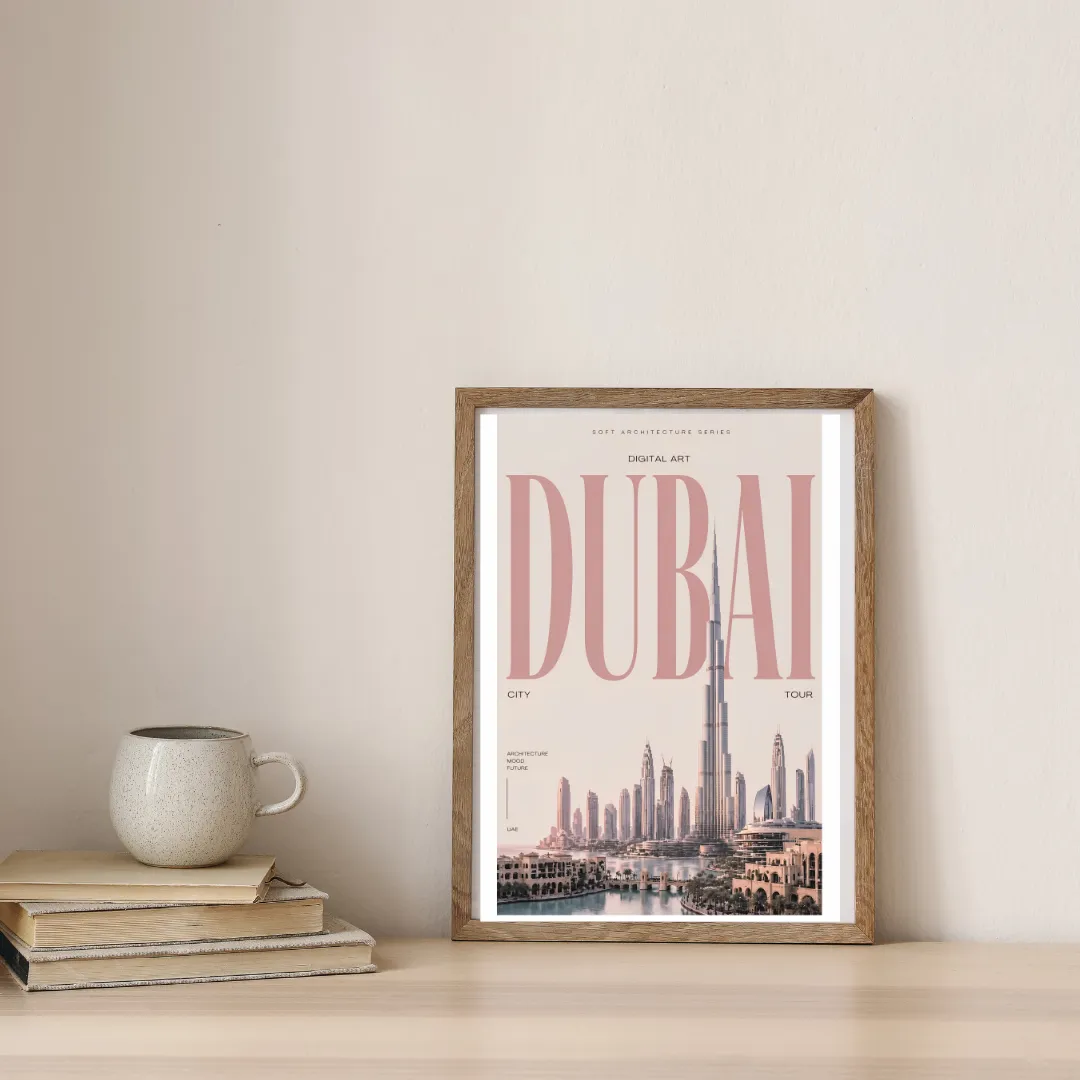
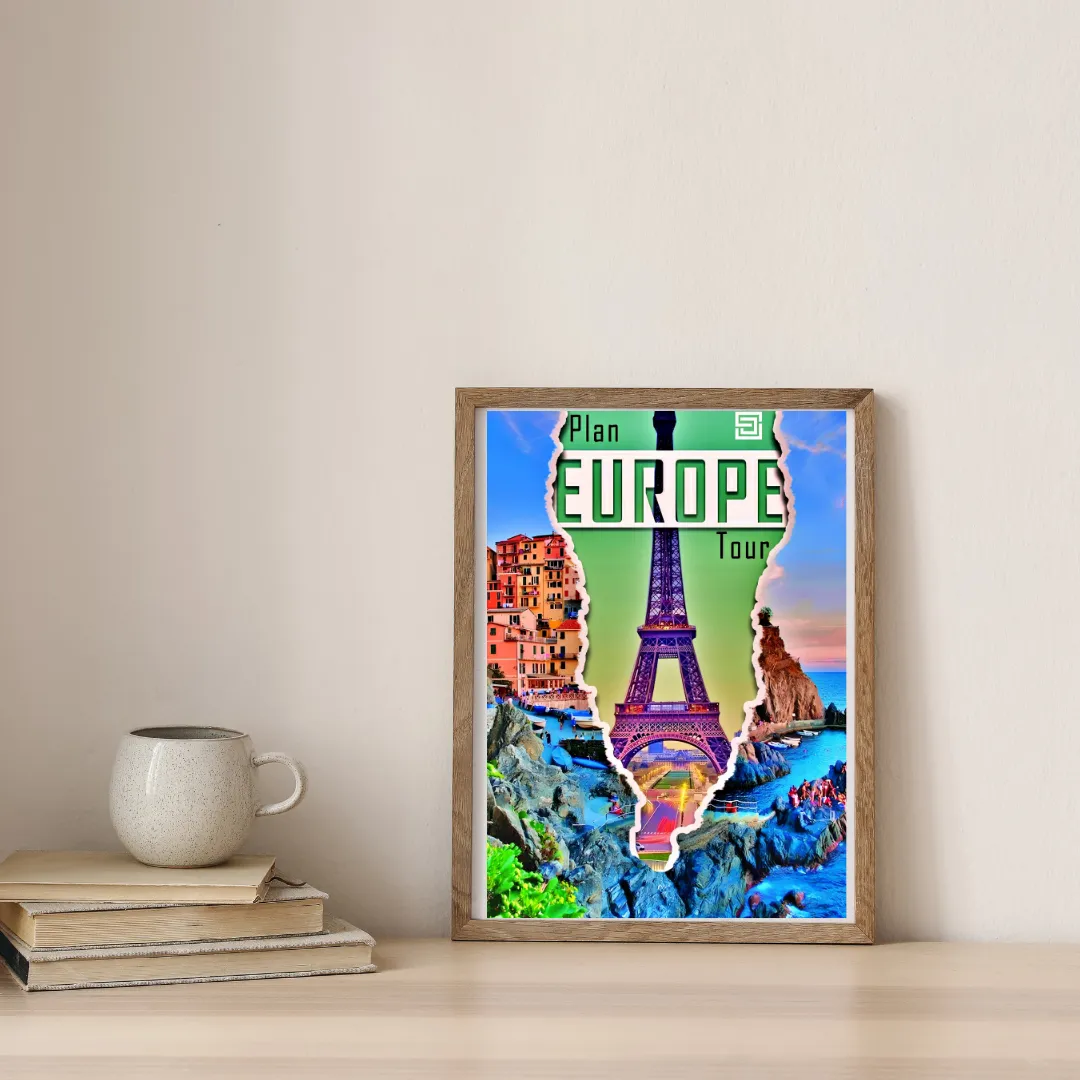
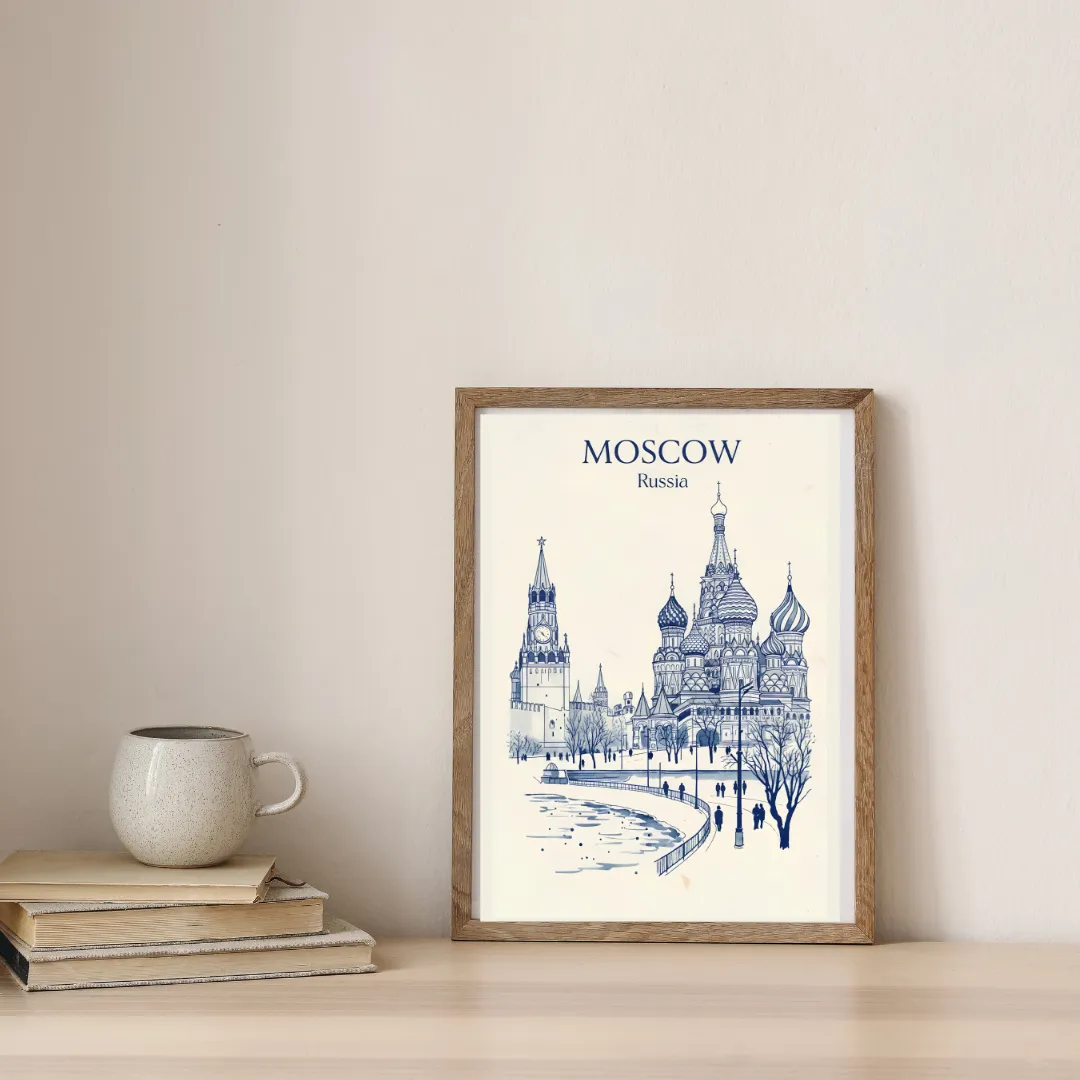
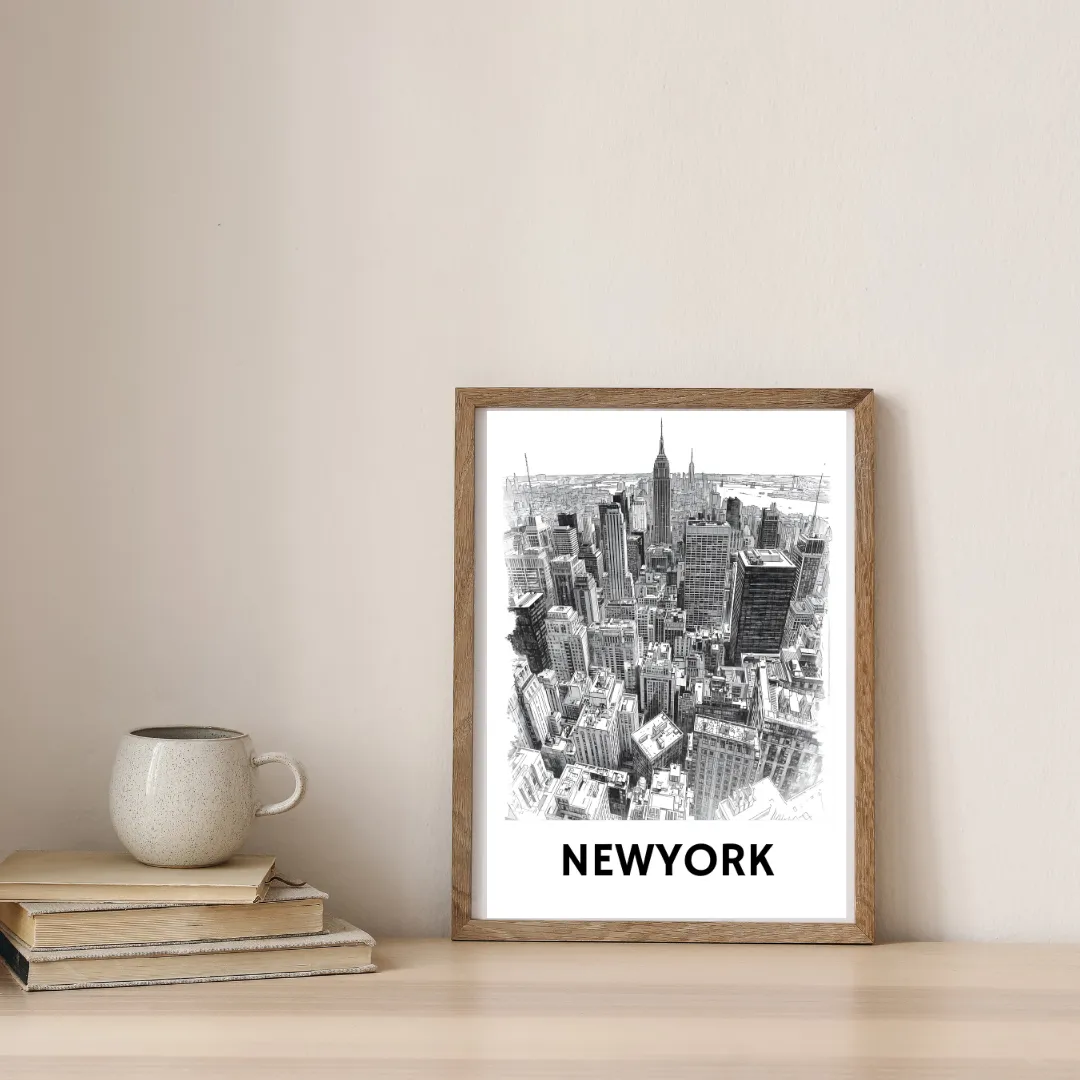
- The Frame: Clean profiles in matte black, natural oak, or pristine white are preferred for contemporary spaces. They frame the art without competing with its subject matter.
- Protective Acrylic: Standard glass is heavy, reflects glare, and breaks easily in transit. High-quality prints are framed with lightweight, shatter-resistant, UV-blocking acrylic shields to preserve the artwork.
- Hanging Tips: To style your home like a gallery, hang the center of the print at eye level (roughly 57 to 60 inches from the floor). Ensure the frame fills 60-75% of the wall width above a sofa or bed for optimal visual balance.
Bring Premium Digital Art to Your Home
Understanding what is digital art and how it is made makes you appreciate the incredible technology and human effort that goes into every piece. Choosing affordable wall art India with high-end print standards is the smartest way to elevate your space.
If you are looking to start or expand your collection, check out curated themes across Art Collections or shop premium framed pieces in our Art Shop.