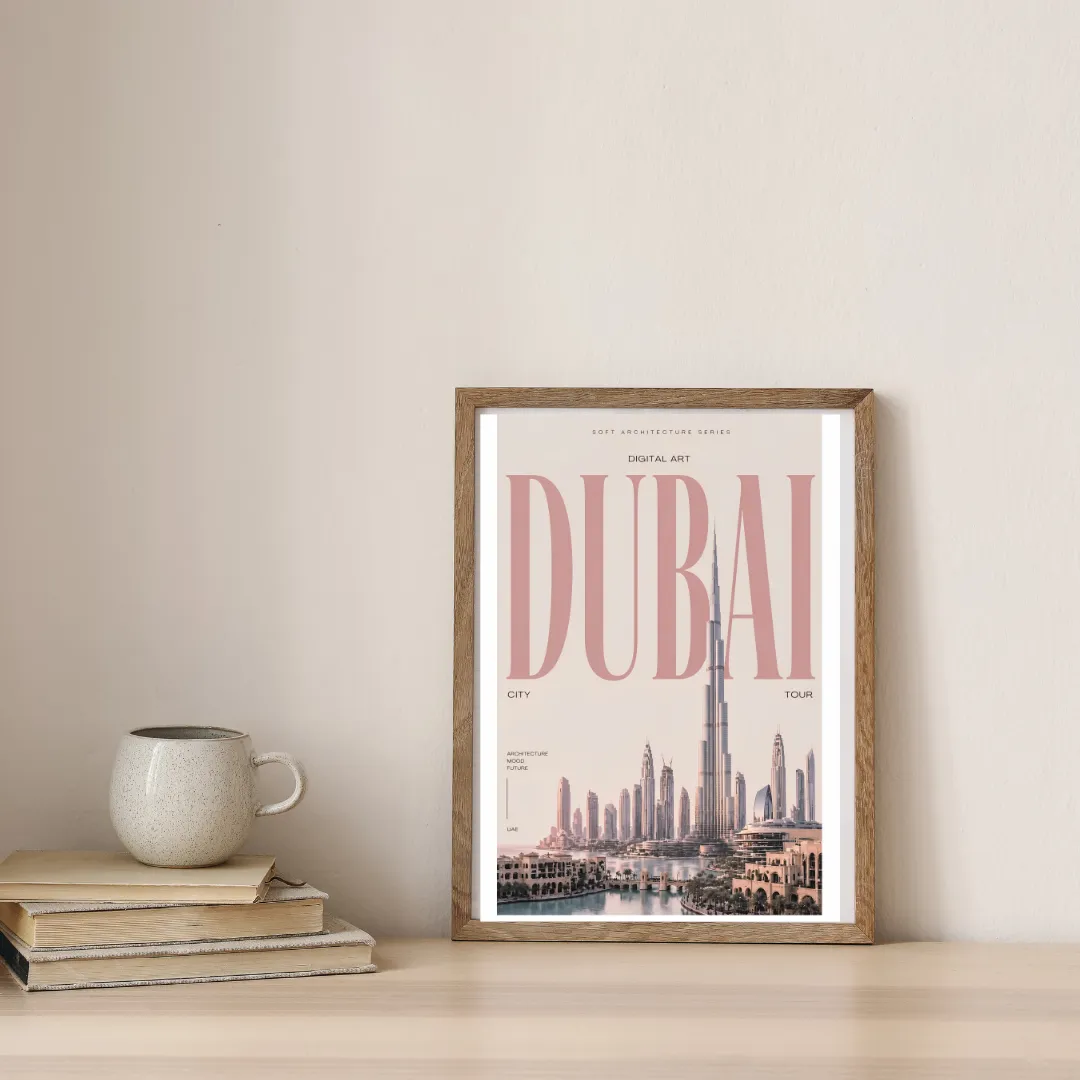
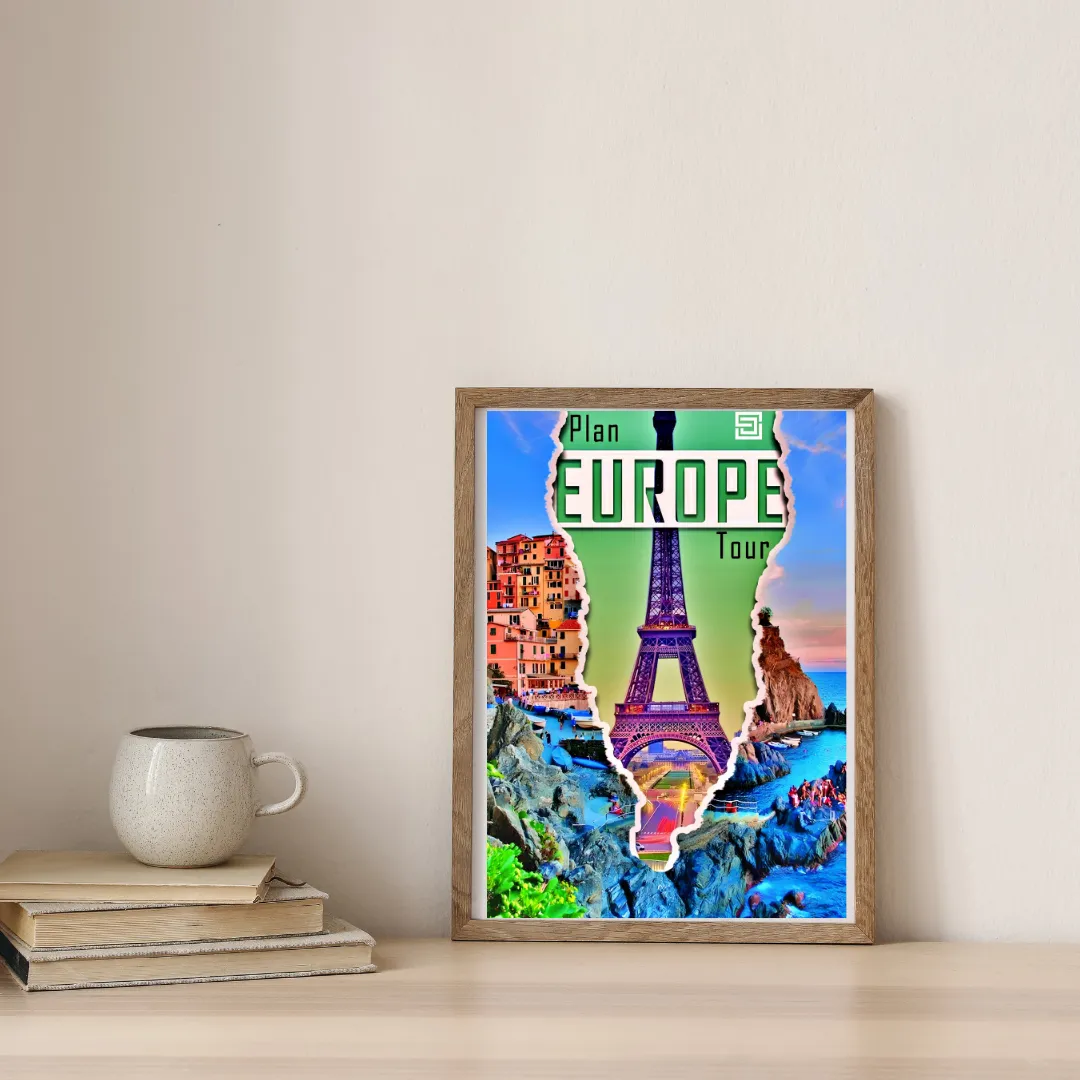
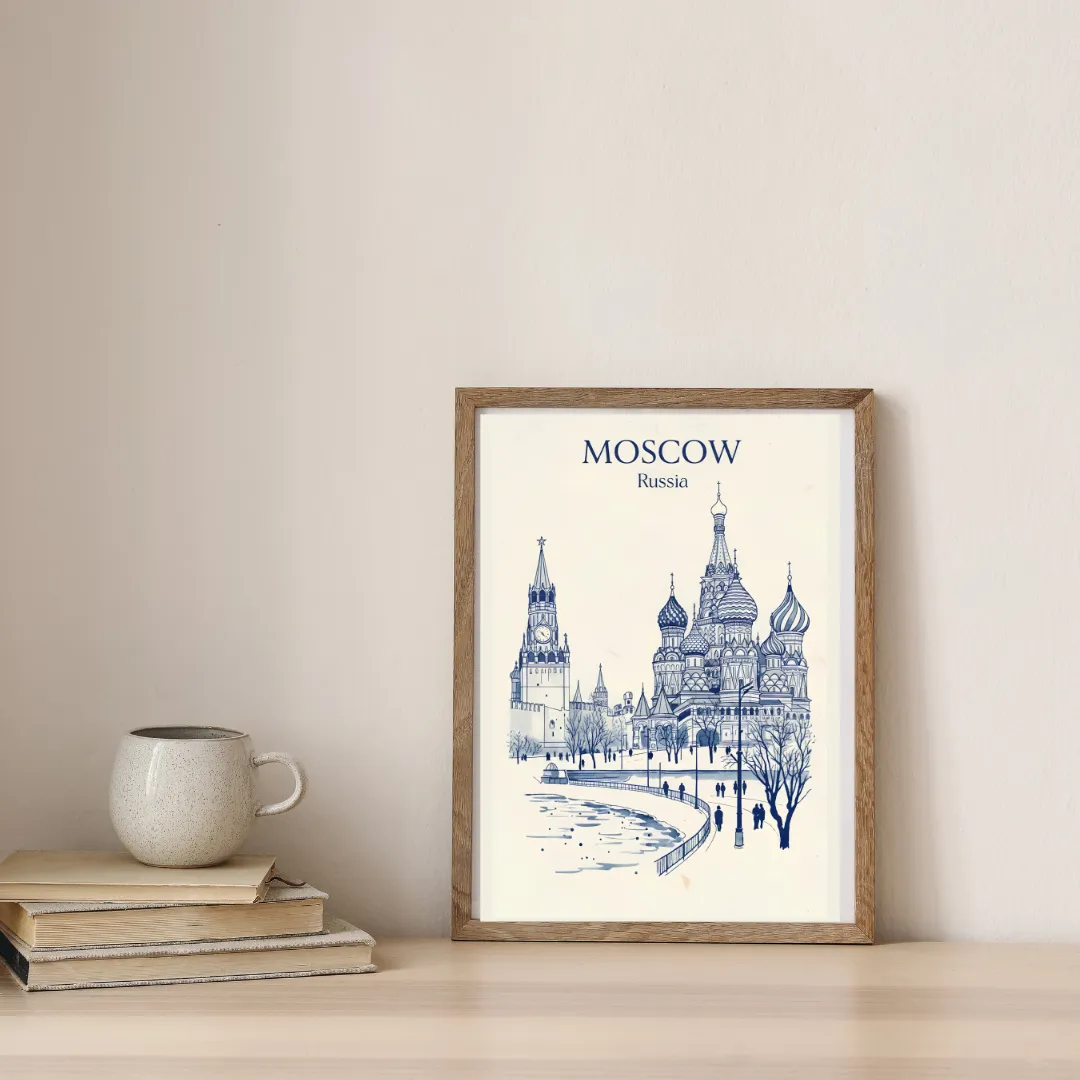
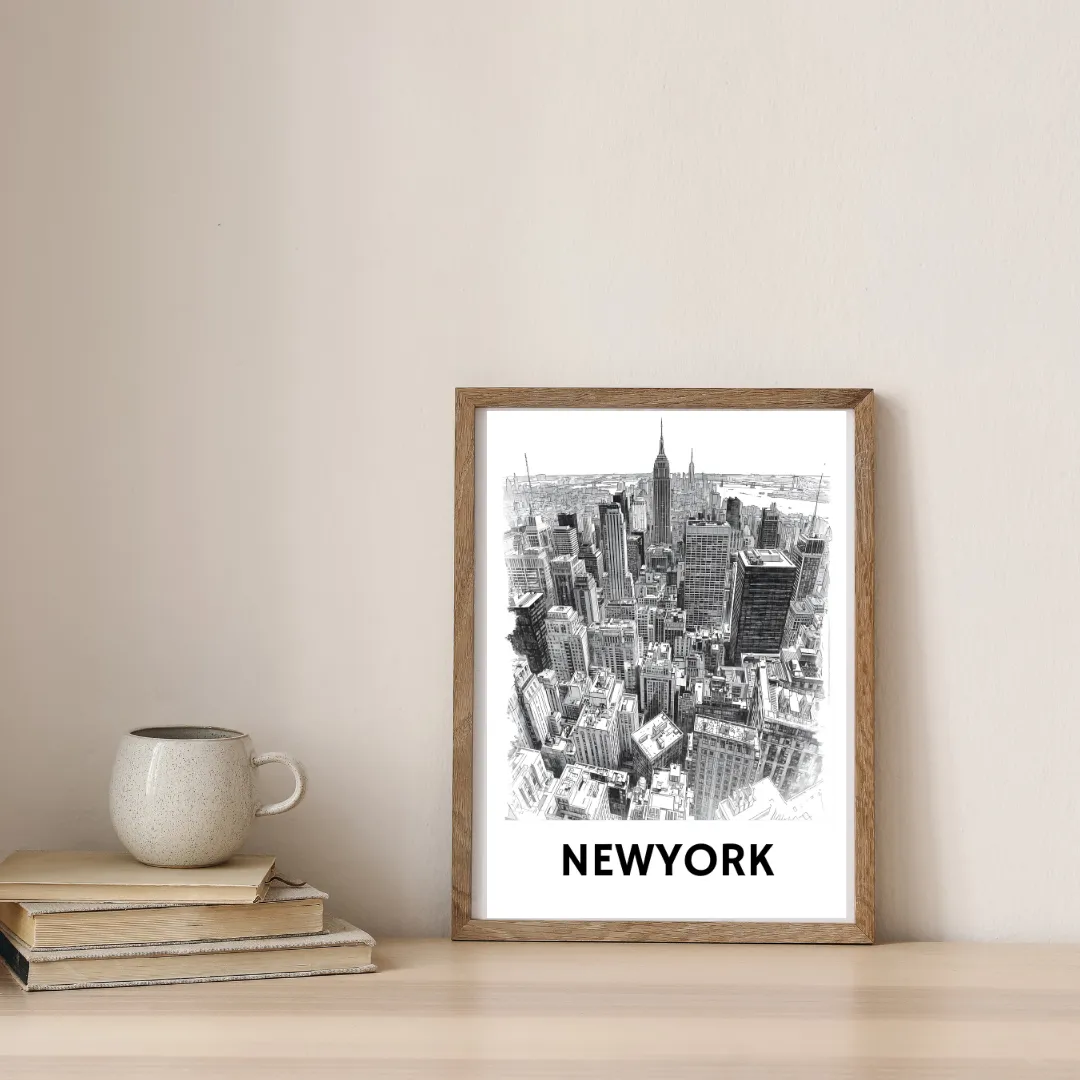
What exactly is digital art, and why is it transforming the way we think about home decor? Broadly defined, digital art is any artistic work or practice that uses digital technology as an essential part of the creative or presentation process. If you have ever wondered, "what is digital art?" or debated the merits of a digital artwork versus a traditional canvas, you are not alone. As online art galleries in India continue to rise in popularity, digital art prints have transitioned from niche screens to statement pieces on the walls of modern Indian homes. From sleek apartments in Mumbai to cozy bungalows in Bangalore, art lovers are embracing the vibrant colors, crisp lines, and storytelling power of digital creations. This complete guide explores the evolution of this modern medium, the essential styles you need to know, and how to choose the perfect print to elevate your space.
What counts as digital art?
To fully appreciate digital art, it helps to understand what falls under this expansive creative umbrella. Digital art is not a singular style; rather, it is a medium that encompasses a vast array of techniques and disciplines. At its core, it includes digital illustration—where artists use digital pens and tablets to draw flat shapes, intricate line art, or stylized graphics. It also covers digital painting, a process where digital brushes mimic the textures, blending, and layering of traditional oil, watercolor, or acrylic paint.
Beyond these 2D forms, digital art extends to digital sculpture and 3D art prints. Using advanced modeling software, artists sculpt virtual three-dimensional objects, which are then rendered into stunning two-dimensional compositions with incredible depth, shadows, and perspective. The defining characteristic of all these forms is that they are created on screens but designed to live in the physical world. When printed on high-quality archival paper or premium canvas, these digital files transform into tangible, high-resolution masterpieces that bring a fresh, contemporary energy to any interior design.
A brief history of digital art
The journey of digital art is a fascinating tale of technological evolution and artistic rebellion. In the early 1980s, pioneering creators began experimenting with basic computer software and dot-matrix printers, exploring the intersection of code and canvas. These early attempts were often dismissed by the traditional art world as cold, mechanical, or lacking the "soul" of handmade paintings. However, as computers became more powerful and specialized tools like the pressure-sensitive digital stylus emerged, the medium evolved rapidly.
By the 2000s, digital art began finding its way into contemporary art galleries globally, challenging the boundaries of collectability and authenticity. Today, the rise of online art galleries in India has democratized access to these creations. No longer locked behind gallery doors, digital art is now celebrated as a legitimate, highly skilled discipline. Modern digital artists combine classical drawing training with cutting-edge software to produce works that are just as expressive, detailed, and visually arresting as any traditional painting. It is a medium born of the digital age, representing the new frontier of visual expression.
Digital art styles you should know
Before you begin curating prints for your walls, it is essential to familiarize yourself with the major styles of digital art. Each style carries its own emotional weight, visual rhythm, and design language, making it suited for different spaces and moods.
- Flat Illustration: Marked by clean, bold shapes, minimal shading, and vibrant color blocks, flat illustration is a modern design favorite. It brings a cheerful, graphic energy to spaces, making it perfect for contemporary living rooms, hallways, or home offices.
- Line Art: Focuses on the beauty of the single line, creating minimalist portraits, botanical designs, or abstract figures. Its simplicity makes it incredibly versatile, fitting seamlessly into Scandinavian, modern, or neutral interiors.
- Digital Painting: Mimics the brushstrokes, blending, and texture of oil or watercolor. If you love the look of traditional paintings but want the crisp color fidelity and modern subjects of digital art, this style offers the perfect middle ground.
- Generative Art: Created using algorithms and code, this style features complex geometric patterns, abstract flow fields, and mathematically precise visual arrangements. It is ideal for tech-forward spaces or minimal, architectural homes.
- 3D Digital Sculptures & Art Prints: These prints capture rendered three-dimensional models, presenting hyper-realistic textures, metallic sheen, and dramatic lighting. They add a deep sense of dimension and futuristic luxury to focal walls.
By understanding these styles, you can match the artwork's visual character with your room's furniture, lighting, and personality.
How digital art is made
A common misconception is that computers do the work in digital art. In reality, the computer is simply a tool, much like a brush, palette, or chisel. Digital artists spend years mastering specialized software such as Adobe Photoshop, Illustrator, Procreate, or Blender. The creative workflow starts with a blank digital canvas. Using a pressure-sensitive stylus, the artist sketches outlines, mixes customized color palettes, and builds the artwork layer by layer.
The process requires the same understanding of color theory, composition, anatomy, and lighting as traditional art. Once the artwork is complete, the file undergoes careful color grading to ensure that the visual tones on the screen translate perfectly to physical inks. The final step is the printing process, where specialized giclée printers apply archival-grade pigments onto premium cotton canvas or fine art paper. This meticulous transition from screen to print preserves every fine line, subtle gradient, and rich texture, delivering a museum-quality print that will not fade over time.
Buying digital art prints in India
If you are ready to buy digital art prints in India, there are a few key factors to consider to ensure you get a premium piece that elevates your home.
First, look at print quality. A true luxury print uses giclée printing with archival pigments on thick paper (typically 200+ GSM) or premium stretched canvas. This guarantees color longevity and a matte, glare-free finish.
Second, size matters. Measure your target wall before ordering. A good rule of thumb is to choose a print that covers 60% to 75% of the empty wall space, keeping the center aligned to eye level.
Third, choose the right frame. Sleek black, warm natural wood, or minimalist white frames help highlight the artwork without distracting from the design.
For a curated shopping experience, we invite you to browse the collections at Lurevi. We work with leading digital creators to offer a handpicked selection of contemporary prints, crafted on archival materials and delivered ready to hang. You can explore our categories at /categories to find a style that speaks to you, and complete your purchase securely at /shop. Elevate your walls with prints that tell a story.
Frequently Asked Questions (FAQ)
What is digital art?
Digital art refers to any creative work or artistic practice that uses digital technology as an essential part of the creation or presentation process. This includes digital illustration, digital painting, and 3D rendering.
Is digital art real art?
Yes. Digital art requires the same skills, training, and creative decisions as traditional art. The computer and drawing tablet are tools, but the vision, technique, and execution come entirely from the artist.
What is the difference between digital art and digital illustration?
Digital art is the broad category encompassing all computer-aided art. Digital illustration is a specific style within digital art, characterized by clear drawings, vector graphics, and storytelling layouts.
Can you print digital art?
Absolutely. High-resolution digital art files are designed to be printed. When printed using giclée methods on archival canvas or fine art paper, they look exceptionally sharp, rich, and detailed.
Where can I buy digital art prints in India?
You can buy curated, premium digital art prints online from specialized galleries like Lurevi. We offer high-resolution archival prints, custom framing, and free shipping across India.
How much do digital art prints cost in India?
Prices vary based on size, framing, and print material. At Lurevi, premium unframed prints start around ₹499, while large, professionally framed gallery-wrapped canvas pieces range from ₹1,499 to ₹4,999+.
Conclusion
If you're looking to bring digital art into your home, Lurevi curates a collection of digital art prints from independent artists — printed on archival paper and shipped across India. Digital art offers an exciting, contemporary way to bring personality and style into your living spaces. Whether you are drawn to the bold lines of flat illustration, the soothing textures of digital paintings, or the futuristic depths of 3D renders, there is a piece that perfectly fits your home's story. Ready to transform your walls? Explore the curated digital art collections at Lurevi today and find the perfect print to make your space feel complete.
Explore our related collections: Football Art, Animals Art, Shapes Art