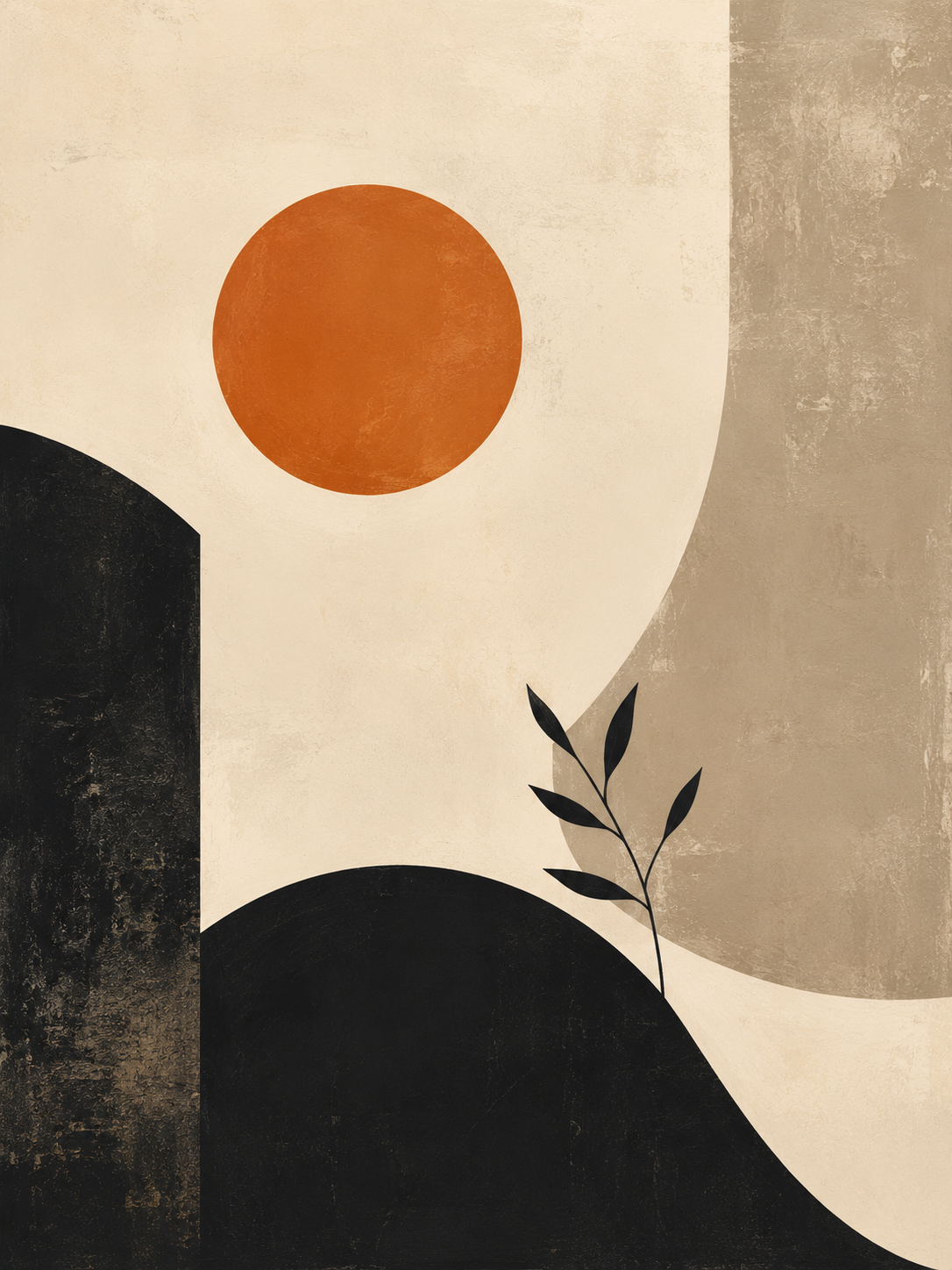
Decorating a blank wall can feel like a daunting task. You might worry about making the wrong color choices, choosing frames that are too small, or drilling holes in the wrong places. Fortunately, wall print styling is not a mystery—it is a logical, step-by-step process that anyone can master with the right rules.
In this guide, we break down the definitive 5-step process on how to decorate with wall prints with confidence, style clarity, and professional-grade results.
The 5-Step Wall Decorating Blueprint
Step 1: Analyze Your Wall and Lighting
Before buying prints, evaluate your wall space. Note the wall dimensions, wall color, and the direction of natural and artificial light. For small walls, a single vertical print creates height. For wide walls, a linear layout or grid of prints adds horizontal balance. Make sure to choose non-reflective matte paper if your wall gets direct afternoon sun or has bright overhead spotlighting.
Step 2: Choose Your Color Direction
Your prints should coordinate with your existing room accents. Pick 1 to 2 colors from your furniture, throw pillows, or curtains, and ensure these colors appear in your wall prints. If your walls are neutral (white, beige, or grey), you can use high-contrast prints to add pops of color, or choose subtle tone-on-tone prints to keep the room feeling soft and minimal.
Step 3: Select Your Anchor "Hero" Print
Every successful wall display needs a focal point. Your "hero" print should be the largest piece in the collection or the print with the boldest composition. All supporting prints in a gallery layout should coordinate in color or theme with this central piece.
Step 4: Decide on Your Layout and Spacing
Choose the layout style that matches your interior design mood:
- Symmetrical (Grid Layout): Hang identical frame sizes in a neat grid (e.g., a 2x2 grid of four prints). This creates a structured, formal, and contemporary look.
- Asymmetrical (Gallery Wall): Arrange different frame sizes in a balanced group. Keep the spacing between frames consistent (exactly 2 to 3 inches) to maintain a cohesive flow.
- Linear Layout: Hang two or three vertical frames in a single row. This is the easiest layout for entryways and above sofas.
Step 5: Measure, Position, and Hang
Avoid the number one hanging mistake: hanging prints too high. Always aim for eye-level alignment, which is roughly 57 to 60 inches from the floor to the center of the artwork. If hanging above furniture (like a sofa or bed), ensure the bottom of the frame is 6 to 8 inches above the furniture top.
Sizing Reference Table
Quick styling tips for mapping frames to wall sizes:
| Wall Type | Recommended Layout | Ideal Frame Size |
|---|---|---|
| Bed Backing Wall | Linear Set of 2 (Duo) | Two A2 vertical frames (approx. 16.5 x 23.4" each) |
| Living Room Sofa Wall | Linear Set of 3 (Triptych) | Three A3 vertical frames (approx. 11.7 x 16.5" each) |
| Hallway / Entryway | Solo vertical statement print | Single A1 or A2 vertical frame |
Curated Styling Prints

Minimalist Abstract Lines
Simple geometries and lines, perfect for contemporary rooms.

Modern Abstract Expressionism
Rich, painterly textures to make a statement in your living room.
Why Choose Ready-to-Hang Prints from Lurevi?
Lurevi takes the complexity out of home decorating. Our ready-to-hang prints feature premium materials that guarantee a professional look:
- Museum-Grade Matte Prints on heavy 230 GSM archival paper. Colors stay rich and fade-free for over a century.
- Anti-Glare Acrylic Protection prevents reflections and is shatter-resistant.
- Free Delivery across India, boxed securely. Browse our styles in Art Categories and shop easily in Art Shop.
Frequently Asked Questions
What height should I hang wall prints at?
Always aim for eye-level alignment. The center of your artwork or frame set should hang roughly 57 to 60 inches from the floor. If hanging above a bed or sofa, keep the frame 6 to 8 inches above the top edge of the furniture.
How far apart should I space frames in a set?
For a clean, balanced layout, space frames exactly 2 to 3 inches apart. Consistent spacing prevents the collection from looking disorganized.
What is the best frame finish for botanical and nature prints?
Natural oak wood frames complement botanical and nature prints beautifully, adding warmth and coordinate with green and warm earthy tones.
Explore our related collections: Impressionist Art, Cars Art, Landscapes Art