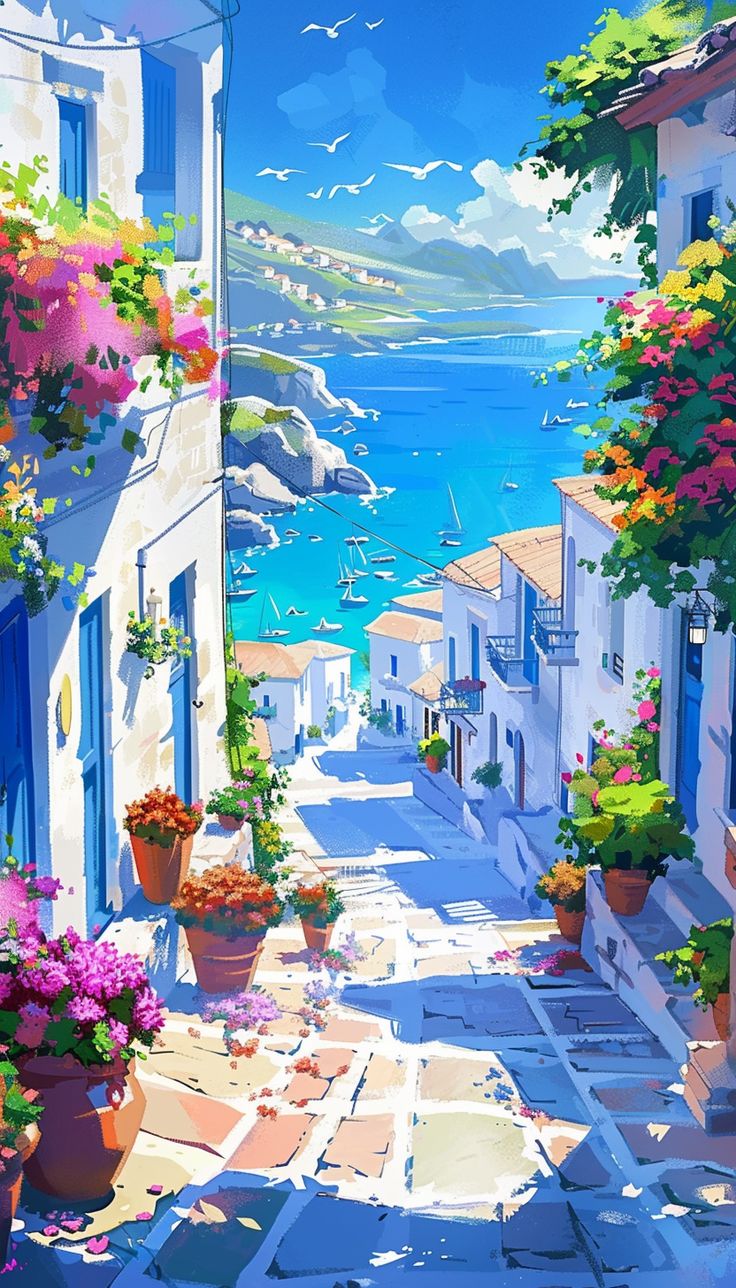
Floral Wall Art India: Your Complete Guide to Buying Botanical Prints Online
There's something deeply, almost stubbornly joyful about floral wall art in India — and the more you think about it, the less surprising that becomes. A country that festoons its temples with marigolds, drapes its brides in jasmine, and considers a home without a tulsi plant essentially unfurnished was always going to have a complicated, beautiful, full-hearted relationship with botanical art. Floral prints aren't a trend in Indian homes; they're a reunion. For those seeking to bring this vibrant beauty into their spaces, discovering the perfect botanical prints online India offers is more than just a purchase—it's an embrace of this timeless connection. Whether you're drawn to the precision of vintage botanical illustrations, the looseness of a watercolour poppy, or the graphic punch of a modern monstera print, this guide will walk you through everything you need to know before you buy — style, placement, gifting, sizing, and what separates art that quietly transforms a room from art that quietly collects dust.
Why Floral and Botanical Wall Art Has Taken Over Indian Homes
If you've scrolled through any Indian home décor account in the last year or spoken to anyone who recently moved into a new flat, you've noticed it: the botanical print is everywhere. In bedrooms in Pune, living rooms in Chennai, nurseries in Gurugram, and home offices in Kochi — floral wall art has quietly become the most universally beloved category in Indian home décor, and it earned that position fair and square.
Part of this is cultural reclamation. Indian art has always been in conversation with nature — the lotus in Buddhist iconography, the paisley (which is, at its root, a mango leaf that decided to become legendary), the floral jali work in Mughal architecture, the creeping vines of Madhubani. Contemporary botanical prints carry this lineage forward in a language that works equally well in a 1,200 sq ft apartment in Whitefield and a heritage bungalow in Kolkata's Lake Town. They feel modern without feeling imported, which is a balance very few things in interior design manage to pull off gracefully.
The other reason? Botanical art is uncommonly forgiving. It works with white walls, coloured walls, gallery walls, and walls that have been repainted three times in five years and can't quite decide what they want. It pairs with rattan furniture and marble countertops and velvet sofas and old wooden almirahs. It belongs, wherever you put it, in the way that good guests always make themselves at home — without rearranging your furniture.
Understanding the Styles: Botanical and Floral Art Is a Wide World
When someone says "floral wall art," they could mean a dozen genuinely different things. Before you buy, it helps to know which corner of this world you're actually drawn to — because choosing a print based on a vague feeling of "I like flowers" and hoping for the best is how you end up with something that clashes magnificently with your curtains. In a bad way.
Vintage Botanical Illustrations
Think Maria Sibylla Merian. Think the Kew Gardens archives. Think beautifully precise, hand-drawn plant studies with latin names in elegant script beneath them, rendered in the kind of exacting detail that makes you feel like someone once cared very, very deeply about accurately depicting a passionflower at 3 AM. Vintage botanical illustrations have a timeless, intellectual quality — they look extraordinary in dark frames, work beautifully in sets of three or four, and belong especially in studies, libraries, dining rooms, and any space where you want to suggest, without being obvious about it, that you read books that don't have pictures in them. (Even if you do. Especially if you do.)
In Indian homes, these prints carry a particular resonance when they feature flora that's native to the subcontinent — the Indian lotus, the champak, the banana flower, the ashoka tree. Finding these is worth the effort, and [LINK: "browse our botanical illustration collection" → /botanical-prints] at Lurevi, where we've curated prints that feel globally refined but botanically Indian at heart.
Modern Watercolour Florals
Loose, luminous, and emotionally warm — watercolour floral prints are the art equivalent of a really good cup of chai on a rainy day. They're soft without being saccharine, expressive without being chaotic, and they have a way of making any room feel instantly more alive. Peonies, roses, hibiscus, wildflowers — watercolour renders them all with a kind of tender imprecision that's actually very hard to achieve, which is why the good ones look so effortlessly beautiful. These work particularly well in bedrooms, nurseries, reading nooks, and bathrooms — anywhere the vibe should be gentle and restorative rather than bold and declarative.
Graphic and Contemporary Floral Art
At the other end of the spectrum from vintage delicacy: bold, graphic, unapologetically modern floral compositions. Think flat-colour monstera leaves in cobalt and terracotta. Think oversized hibiscus in black and gold. Think floral forms abstracted almost beyond recognition, where the reference to a flower is more a starting point than a destination. These prints are made for maximalists, for people who want art that announces itself, and for walls that have the square footage to handle something genuinely audacious. They're also outstanding in pairs or as single statement pieces in living rooms, entryways, and dining spaces where the brief is "make people look twice." Mission reliably accomplished.
Pressed and Dried Botanical Art
This style mimics — or in some cases actually features — the aesthetic of pressed flowers and plant specimens. Translucent, delicate, arranged with scientific care on a light background, these prints look extraordinary in white or natural wood frames and have a quiet, considered beauty that rewards close attention. They're perfect for people who appreciate things made slowly and with intention — a description that, we'd argue, applies to the ideal lurevi.in customer rather precisely. These suit bedrooms, home offices, hallways, and any space where you want visual interest without noise.
Indian Motif–Inspired Floral Art
Perhaps the most exciting category in 2026: contemporary floral art that draws directly from India's own visual traditions. Kalamkari's signature floral motifs reimagined in a modern palette. Mughal garden art — with its symmetrical flower beds and delicate shading — translated into a clean, frameable print. Warli-adjacent botanical line work. Block-print floral patterns elevated to fine art. These prints do something very few things in home décor manage: they feel like they belong in an Indian home not because they're "ethnic" or "traditional" but because they come from the same visual roots as the culture that inhabits the space. That's not decoration — that's resonance.
Style Comparison: Finding Your Floral
| Style | Best Room | Interior Fit | Gifting Score | Mood |
|---|---|---|---|---|
| Vintage Botanical Illustration | Study, dining room | Classic, heritage, eclectic | ★★★★★ | Intellectual, timeless |
| Watercolour Florals | Bedroom, nursery, bathroom | Soft modern, boho, minimal | ★★★★★ | Warm, gentle, luminous |
| Graphic / Contemporary | Living room, entryway | Modern, maximalist, bold | ★★★★☆ | Confident, vibrant, striking |
| Pressed / Specimen Style | Bedroom, hallway, office | Minimalist, Japandi, curated | ★★★★★ | Quiet, meditative, precise |
| Indian Motif Florals | Any room | Neo-Indian, eclectic, traditional | ★★★★★ | Rooted, rich, culturally alive |
Room-by-Room Guide: Where to Hang Floral Wall Art
One of the great advantages of botanical and floral art is its versatility — it works in rooms where bolder, more conceptual art might feel out of place. But "it works everywhere" isn't quite the same as "it works equally well everywhere." Here's how to think about placement for each major room.
The Bedroom: Where Florals Are Most at Home
The bedroom is the natural habitat of botanical art, and that's not a coincidence. Floral prints — especially watercolours, pressed specimens, and soft pastel botanicals — create the visual equivalent of the sensory experience of a garden: calming, sensory-rich, and deeply pleasant to wake up to. Above the bed, a large-format botanical print (or a triptych arrangement of three complementary prints) creates a headboard effect that's both softer and more interesting than most actual headboards. Opposite the bed — the first thing you see when you open your eyes in the morning — is prime real estate, and a beautiful floral print is one of the kindest things you can put there. It's cheaper than therapy and significantly easier to hang.
The Living Room: Making a Statement
In the living room, florals need a little more conviction to hold their own. A single A4-sized rose print on a large living room wall is, to put it gently, fighting above its weight class and losing. Go bigger, go bolder, or go grouped. A gallery wall of five to seven botanical prints in coordinated frames is stunning. A single oversized graphic floral in jewel tones makes a statement that stops conversation mid-sentence — which is either a feature or a bug depending on how much you enjoy that particular conversation. [LINK: "Explore large-format floral art" → /wall-art]
The Dining Room: Unexpected Magic
Floral art in the dining room is slightly underused in India and wildly effective. A botanical illustration set, framed in dark wood and hung in a vertical row, transforms a dining wall from background to backdrop — the kind of thing that makes dinner guests linger, which is saying something in a country where dinner guests already linger with tremendous commitment. The key is scale (go larger than feels comfortable on paper) and consistency (matching frames make a collection feel intentional rather than accumulated).
The Bathroom: Brave and Brilliant
We know. The bathroom feels like a strange choice. But hear us out: a beautiful botanical print in a glass-covered frame, hung in a well-lit bathroom, is one of the most transformative things you can do to a small space at a very modest cost. The contrast between the utilitarian reality of a bathroom and the botanical elegance of a well-chosen print is exactly the kind of visual wit that makes people feel like a space has been genuinely thought about. Just ensure the print is framed behind glass to protect it from humidity — moisture and unprotected paper have a relationship even more complicated than Indian families and "when are you getting married."
The Nursery and Children's Rooms
Botanical and floral prints are among the most beautiful choices for nurseries and children's rooms — they're visually rich without being overstimulating, they age beautifully as the child grows, and they carry none of the character-licensing baggage that makes so much children's room décor look dated in three years. Watercolour botanicals in soft greens, pinks, and yellows; illustrated Indian flora; gentle pressed-flower prints — any of these will live happily in a child's room from infancy through adolescence, which is quite an achievement for anything.
Floral Art as a Gift: India's Most Versatile Occasion Art
If there's one category of art that works as a gift for almost any occasion in India, floral botanical prints are it. And we say this not as a sales pitch but as a genuine observation: flowers carry cultural weight in India that transcends seasons, religions, regions, and relationships. Gifting botanical art is an extension of that language — more lasting, more personal, and considerably easier to transport than an actual flower arrangement, which tends to have opinions about travel.
Gifting by Occasion
Housewarming (Griha Pravesh): A set of three coordinated botanical prints in warm terracotta and sage feels like a genuine benediction for a new home — nature's blessings, but framed and archival. Nothing says "may this home be full of life" quite like art that's literally full of life. [LINK: "Shop housewarming gift sets" → /gifts]
Wedding: A botanical diptych — two prints meant to hang together — makes a beautifully layered wedding gift. Choose complementary florals: a lotus and a marigold, a rose and a jasmine, whatever feels specific to the couple. The metaphor is there if you want it, and entirely ignorable if you don't, which is exactly the right amount of symbolism in a gift.
Mother's Day / Birthday: Watercolour florals are essentially the art world's love letter to mothers and the botanically inclined, and we mean that as the highest compliment. A beautifully chosen floral print in a recipient's favourite flower tells someone that you paid enough attention to know what they love, which is, ultimately, what all good gifts say.
Diwali: Floral prints in warm, festive palettes — marigold yellow, deep rose, saffron, and forest green — feel celebratory without being thematically dated the moment Diwali ends. They live on the wall year-round and keep the warmth of the occasion alive long after the diyas have been packed away.
Corporate Gifting: A set of elegant vintage botanical illustrations in identical frames makes for corporate gifting that's genuinely refined — memorable, appropriate, and entirely unlike another box of dry fruits, which has never once surprised anyone.
What to Know Before You Buy Botanical Prints Online in India
The online market for floral and botanical art in India has grown enormously, which means both more choice and more noise. Here's what separates a print that will still look magnificent in 2036 from one that starts to look tired by 2027.
Print Quality: The Details That Matter
Giclée printing on acid-free cotton rag or fine art paper is the gold standard. It produces colours that are vibrant without being oversaturated, maintains fine detail in botanical illustrations (where that detail is everything), and resists fading for decades rather than years. This matters more for floral art than almost any other category because colour accuracy is central to what makes botanical prints beautiful — a muddy rose or a washed-out leaf defeats the entire purpose.
GSM (grams per square metre) is your quick quality indicator: 200 GSM and above for fine art prints. Anything lighter than 180 GSM will feel insubstantial in the frame and is unlikely to hold colour well over time. Think of it as the difference between a proper cotton saree and something that will need careful handling forever — you want the art equivalent of the former.
Colour Profile: What You See Should Be What You Get
Botanical art's appeal is almost entirely dependent on colour fidelity. When buying online, look for stores that provide colour-calibrated photography and ideally a stated colour gamut for their printing process. At Lurevi, every print is photographed and calibrated to reflect actual output — what you see on your screen should be a reliable indicator of what arrives at your door, which is not a promise every online art store makes or keeps.
Paper Finish: Matte vs. Semi-Gloss for Florals
For botanical illustrations, matte finish is almost always the right choice. It gives prints the appearance of original artwork, eliminates glare (which botanical prints, with their fine line work, are particularly susceptible to), and has a premium tactile quality that reads as fine art rather than poster. Semi-gloss works well for graphic or contemporary floral prints where you want colours to pop with maximum vibrancy. Avoid full gloss for anything that requires subtlety — which botanical art always does.
Sizing and Arrangement: Getting It Right the First Time
The rules for sizing floral art are the same as for any wall art, with one important botanical-specific note: sets and groupings tend to work better for this category than for more graphic styles. Here's a practical guide.
Sizes for Common Indian Home Spaces
- Above the bed (standard double/queen): A single 24×36 inch print or three 12×16 inch prints in a horizontal row
- Living room feature wall: 30×40 inch statement piece or a gallery of 6–9 coordinated botanical prints
- Dining room wall: Four 16×20 inch vertical illustrations in a 2×2 grid, or a tall narrow set of 3 in a vertical column
- Bedroom / nursery accent wall: 18×24 inches as a standalone, or a pairing of 12×16 inch prints
- Bathroom / hallway: 12×16 or 16×20 inches in portrait orientation — small enough not to overwhelm, large enough to actually register
- Home office / study: A pair of 8×10 inch vintage botanical illustrations in matching dark frames, positioned at eye level
The gallery wall rule for botanicals: When grouping multiple floral prints, consistency in frame style (not necessarily colour — varied frame colours can be lovely, but the style should be unified) and consistent spacing of 5–8 cm between frames creates a collection that reads as curated rather than accumulated. The prints themselves can vary in size; the discipline goes into the framing and the spacing. This is a principle that applies to gallery walls, and, when you think about it, to most things in life that benefit from a framework.
2026 Floral Art Trends in Indian Homes
Oversized Single-Stem Prints
A single flower — a lotus, a hibiscus, a bird-of-paradise — rendered at massive scale on a large canvas or print. This trend plays beautifully with the Indian love of the dramatic and works especially well in living rooms and entryways where you want something that reads from across the room. Go big or go home, which is advice that is, in this case, literally about your home.
Indian Flora Getting Its Moment
Prints featuring jasmine (mogra), marigold, champak (champa), lotus, hibiscus (gudhal), and ashoka are having a quiet but meaningful renaissance — particularly when rendered in contemporary styles rather than traditional ones. These aren't kitsch; they're cultural and they're beautiful, and they belong on Indian walls with exactly as much confidence as any imported floral motif.
Muted, Earthy Botanical Palettes
Dusty sage, terracotta, warm ivory, faded rose, and clay are the palette of 2026's most sought-after floral prints. The oversaturated, screaming-green tropical palettes of a few years ago have given way to something more considered and — frankly — more liveable. These prints work with almost any interior colour scheme and tend to look better as they age, which is a quality worth paying for.
Diptychs and Series Formats
Two or three prints designed as a continuous composition — a garden that extends across frames, or a set of botanicals unified by a consistent artistic treatment — have replaced the single large print as the most aspirational format for 2026. They tell a story across the wall in a way a single piece cannot, and they leave room for the eye to rest between chapters.
Frequently Asked Questions
What is the difference between floral wall art and botanical prints?
Floral wall art is a broader category that includes any art featuring flowers — from loose watercolour compositions to graphic illustrations to photographic prints. Botanical prints specifically refers to a tradition of precise, scientifically-informed plant illustration, often showing a plant's leaves, stems, flowers, and root system with detailed accuracy. Botanical prints tend to feel more intellectual and archival; floral art is a wider term covering everything from maximalist garden paintings to a single minimalist line drawing of a tulip. Both are excellent choices for Indian homes — they just carry slightly different energy.
Which rooms in an Indian home are best suited for floral wall art?
Floral and botanical prints work beautifully in almost every room, but they are particularly powerful in bedrooms (where they create a calming, garden-like atmosphere), dining rooms (where botanical illustration sets add visual elegance), nurseries and children's rooms (where they're age-appropriate and grow with the child), and bathrooms (where a glass-framed botanical print transforms a functional space). In living rooms, scale matters — go large or go grouped, because a single small print on a large wall will struggle to hold its own.
Is floral wall art a good gift for Indian occasions like weddings or Diwali?
Floral art is one of the most universally well-received gifts for Indian occasions precisely because flowers carry deep cultural significance across India's regions, traditions, and communities. For weddings, a botanical diptych — two prints designed to hang together — is a beautifully considered gift. For Diwali, choose warm festive palettes (marigold, deep rose, saffron, gold) that feel celebratory year-round. For housewarmings, a curated set of three coordinated botanical prints in coordinating frames feels like both a decorating gift and a blessing for the new home. At Lurevi, we have gifting collections curated by occasion to make this easier.
How do I choose between a single large floral print and a gallery wall of botanical prints?
The choice comes down to the size of your wall, the style of your home, and how much visual complexity you want. A single large botanical or floral print (24×36 inches or larger) makes a bold, focused statement and works best in modern, minimal interiors where one strong piece can anchor a room. A gallery wall of smaller coordinated prints creates a richer, more layered effect and suits eclectic, collected-over-time aesthetics beautifully. For Indian homes with a lot of furniture, pattern, and colour already in play, a single large print is often the more cohesive choice — it adds art without adding more visual complexity to an already rich room.
What should I look for when buying botanical prints online in India?
The key quality indicators are: print method (giclée or archival inkjet printing for best results), paper quality (200 GSM or above, acid-free), colour fidelity (the store should provide accurate, calibrated product photography), finish (matte for most botanical art, semi-gloss for graphic florals), and whether framing options are available. Also check the return policy and delivery packaging — botanical prints with fine detail can be damaged by poor packaging, which is one less thing to worry about when ordering from Lurevi, where prints are shipped in protective packaging designed to arrive exactly as they left.
Can floral art prints work in a traditionally decorated Indian home alongside existing patterns and colours?
Yes — and often better than more minimal or graphic art. The key is to choose botanical prints that share a tonal palette with your existing décor rather than introducing entirely new colour families. If your home has warm reds and golds, botanical prints in terracotta, ochre, and deep green will integrate naturally. If you have cool blues and greens, watercolour florals in sage, dusty rose, and soft lavender create harmony rather than competition. Indian Motif Floral prints — which draw from Kalamkari, Mughal art, or Madhubani traditions — are specifically designed to feel at home in traditionally decorated Indian spaces while still reading as contemporary wall art.
Your Blank Wall Has Been Patient Long Enough
Flowers don't wait for the right moment. They bloom when they're ready, regardless of whether the wall behind them is prepared. Your walls, however, have been waiting — and the right botanical or floral print is out there, already designed to live in your home, already the right colour for your room, already the right feeling for the space you're building.
At Lurevi.in, our floral and botanical art collection has been curated with Indian homes specifically in mind — the scales, the palettes, the cultural references, and the gifting occasions that matter here. Every print is produced on archival-quality paper with museum-grade inks, packaged with care, and delivered across India. Whether you're looking for something for yourself or something for someone you love, we have botanical art that will make a home feel more like one.
Because the best floral wall art doesn't just decorate a room. It makes the room bloom — and unlike actual flowers, it does so without ever asking to be watered.
Shop Floral & Botanical Prints → Find the Perfect Gift →
Free shipping across India on orders above ₹999. Archival print quality. Carefully packaged, delivered with love.
Explore our related collections: Popular Shows Art, Impressionist Art, Pop Art