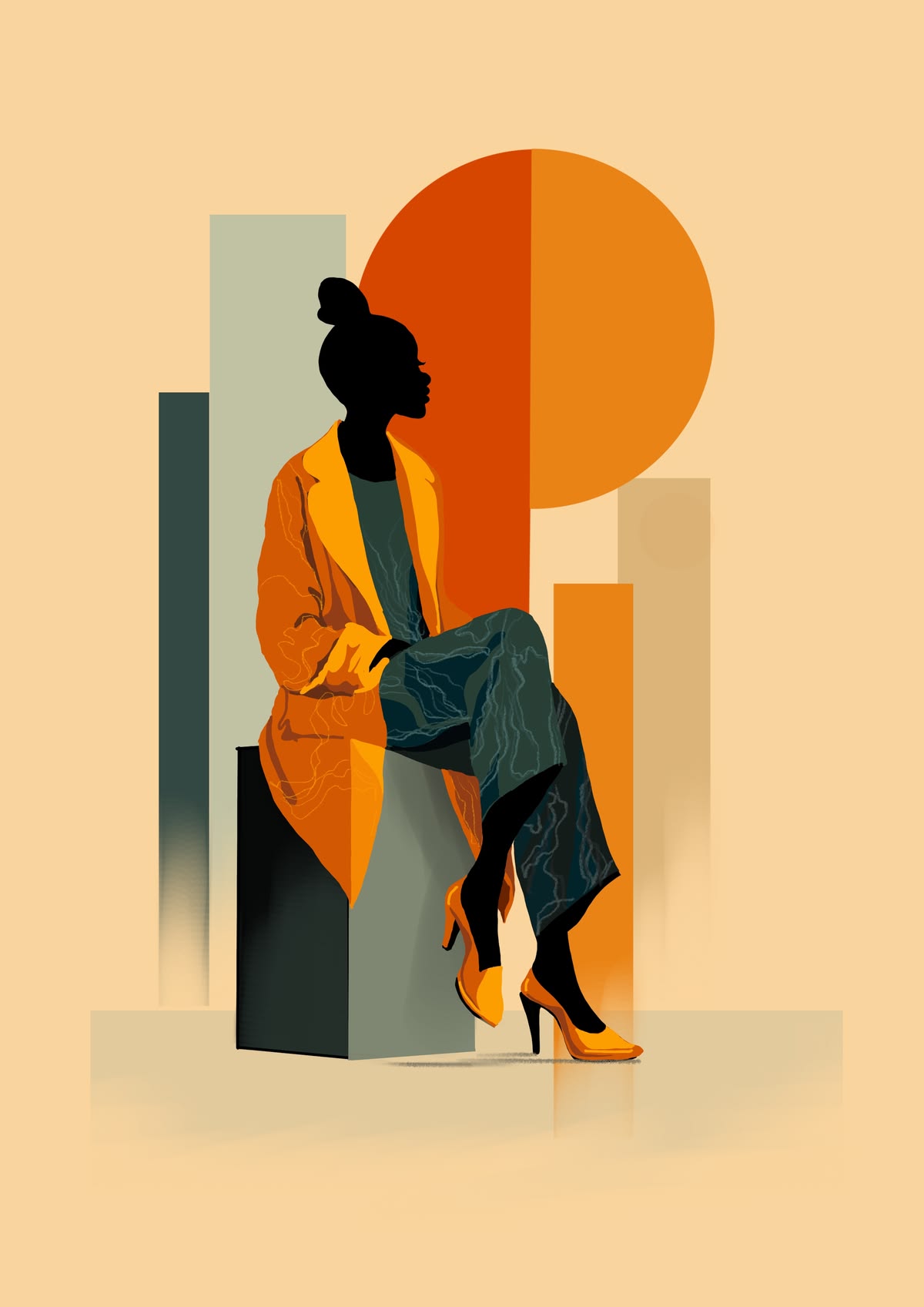
Contemporary Abstract Wall Art India: Your Complete 2026 Buyer's Guide
If you've been staring at a blank wall and feeling personally attacked by it, you're not alone. The search for Contemporary Abstract Wall Art India has exploded in 2026 — and for very good reason. Indian homes are evolving. Living rooms are no longer just places to watch cricket and argue about who ate the last ladoo; they're becoming intentional spaces that reflect personality, taste, and a genuine love of beauty. Abstract art, with its ability to say everything and nothing simultaneously (a skill most Indian aunties have also perfected), has become the go-to choice for home décor across Mumbai apartments, Bengaluru studios, Delhi bungalows, and everything in between. Whether you're a first-time buyer or a seasoned wall décor enthusiast, this guide will walk you through everything — styles, sizing, placement, gifting, and where to buy art that actually makes people stop and stare (in a good way).
Why Abstract Wall Art Is Having a Major Moment in India Right Now
There's a reason your Instagram feed is full of beautifully decorated walls and your own wall still has the same nail hole from 2019. Abstract art has a unique accessibility that traditional or figurative art sometimes lacks — you don't need to "get" it to feel it. That's not a bug. That's the whole point.
Indian interior design sensibilities have shifted dramatically post-pandemic. With more people working from home, the idea of living in a beautiful space stopped being a luxury and became a genuine priority. And abstract prints, with their fluid forms and bold colour fields, slot perfectly into the kinds of homes Indians are building now — spaces that are warm but modern, expressive but not cluttered, and deeply personal without being obviously autobiographical. Much like a good biryani, the layers are what make it extraordinary.
The other driver? Gifting culture. Indians are arguably the world's most enthusiastic gift-givers. We give gifts at Diwali, Holi, weddings, baby showers, housewarmings, promotions, birthdays, and sometimes just because someone dropped by unannounced and brought rasgullas. Abstract art prints have emerged as the sophisticated alternative to the usual gifting suspects — something that's visually stunning, emotionally meaningful, and far more lasting than a scented candle that burns out in three evenings.
Understanding the Styles: Not All Abstract Art Is the Same (And That's Wonderful)
When people say "abstract art," they're actually opening a door to an enormous universe. Let's break down the most popular styles you'll encounter when shopping for contemporary abstract wall art in India — because choosing blindly is how you end up with something that looks like it was sneezed by a robot.
Geometric Abstract Art
Clean lines, precise shapes, bold colour blocking — geometric abstract prints are the overachievers of the art world. They look extraordinary in modern apartments with minimal furniture, and they photograph beautifully (important if you're the kind of person who photographs their living room for Instagram — no judgement, we all are). Think Mondrian-inspired grids, triangles in earthy ochres and deep teals, or hexagonal compositions in dusty pink and charcoal. These pair brilliantly with Scandinavian or neo-Indian interior styles and have the added advantage of looking expensive even when they — well, let's just say they don't have to be.
Fluid and Organic Abstract Art
These are the ones that look like someone poured paint on a canvas and the universe decided to show off. Swirling forms, liquid gradients, and blended colour washes create a sense of movement and emotion that's almost meditative. If your home is full of natural wood furniture, plants, and warm textures, fluid abstract prints will feel like they've always been there. They're also deeply popular as gifting pieces because they carry an emotional warmth — the kind of art that makes people say "I feel something" without being able to explain exactly what. Which, honestly, is the dream.
Minimalist Abstract Art
Less is more — a philosophy that's very easy to appreciate in art and extremely hard to practise in a Mumbai kitchen. Minimalist abstract prints typically feature a single bold mark, a few spare lines, or a gentle wash of colour on a large expanse of white or off-white. They're incredibly versatile, work in almost any room, and have a way of making a space feel both calming and curated. Perfect for the person in your life who has everything except peace of mind.
Textural and Mixed-Media Abstract Art
Prints that mimic the look of texture — thick impasto brushstrokes, layered paper, embedded elements — bring a tactile quality to walls even in two dimensions. These are particularly popular right now because they bridge the gap between print and original artwork, giving walls the kind of depth that makes guests lean in and say "wait, is that a painting?" To which the correct answer is always a mysterious smile and absolutely no clarification.
Botanicals and Nature-Inspired Abstract Art
Somewhere between representational and fully abstract lies the beautiful middle ground of nature-inspired art — leaves reduced to colour fields, flowers dissolved into gestural marks, landscapes made of pure emotion. These are especially beloved in Indian homes where there's a deep cultural connection to nature, and they work wonderfully in dining rooms, bedrooms, and pooja-adjacent spaces where the vibe needs to be serene rather than electric.
A Style Comparison at a Glance
| Style | Best For | Room Fit | Gifting Suitability | Mood |
|---|---|---|---|---|
| Geometric Abstract | Modern, minimal homes | Living room, office | ★★★★☆ | Bold, confident, structured |
| Fluid / Organic | Warm, eclectic interiors | Bedroom, living room | ★★★★★ | Emotional, expressive, alive |
| Minimalist Abstract | Small spaces, calm seekers | Study, bedroom, entryway | ★★★★☆ | Serene, refined, thoughtful |
| Textural Abstract | Collectors, art lovers | Any statement wall | ★★★★★ | Luxurious, layered, unique |
| Nature-Inspired Abstract | Traditional-meets-modern homes | Dining, bedroom, pooja area | ★★★★★ | Peaceful, rooted, warm |
How to Choose the Right Size (Because Size, Here, Absolutely Matters)
Buying art the wrong size is a silent epidemic in Indian homes, and we need to talk about it. The most common mistake? Going too small. A single A4-sized print on a 10-foot wall looks like someone left a Post-it note and forgot about it. The good news is that sizing art correctly is genuinely not complicated — it just requires measuring before you impulse-buy, which is advice that applies to a surprising number of life decisions.
The General Sizing Rules
For a standard wall, your art should cover approximately 60–75% of the wall width (not the entire room width). If you're hanging art above a sofa or a bed, aim for a piece that's about two-thirds the width of the furniture. Gallery walls — where you arrange multiple smaller prints — are the exception, and they have their own delicious logic: variety in size, consistent spacing (usually 5–8 cm between frames), and a unifying element like colour palette or frame style.
Quick Size Guide for Common Indian Home Spaces
- Small bedroom (10×10 ft): 18×24 inches or a pair of 12×16 inch prints
- Standard living room: 24×36 inches as a statement piece, or a gallery wall of 5–7 prints
- Dining room feature wall: 30×40 inches or a triptych
- Office / study: 18×24 inches or smaller grouped prints
- Entryway / foyer: Vertical orientation works best — 16×20 or 20×30 inches
Pro tip: tape newspaper cut to the size of your intended print onto your wall before ordering. Stand back, squint a little, and ask yourself if it looks right. If you look like you're about to frame a newspaper for dramatic reasons, go bigger. This method is so reliable it should frankly be on the walls of design schools — or at least on the walls of people who went to design schools.
Colour Palette Guide: What Works in Indian Homes
Indian homes have a rich visual language — we're not afraid of colour, texture, or putting a lot of things in one room and making it work through sheer will and brass accoutrements. Abstract art colour choices need to complement that reality, not fight against it.
Palettes That Work Beautifully in Indian Interiors
Warm Terracottas and Ochres: These reference India's soil, its spice markets, its ancient architecture — and they look extraordinary against white walls or warm wood panelling. They're the artistic equivalent of saying "I know where I come from" while still being thoroughly contemporary.
Deep Jewel Tones: Emerald, sapphire, burgundy, and amethyst have a natural resonance in Indian homes where these colours already live in sarees, cushions, and curtains. Abstract art in these palettes has a regal quality that doesn't require much else in the room to make its point. It's the kind of confidence that arrives fully formed, like a senior colleague who doesn't need to CC the whole team to feel important.
Soft Neutrals with a Pop: Ivory, warm beige, dusty sage — with one unexpected accent colour — work beautifully in homes that want art without disruption. These prints feel effortless in the way that only deeply considered things do.
Black, White, and Gold: A perennial for a reason. High-contrast abstract prints in monochrome with gold accents photograph magnificently, feel luxurious year-round, and are a genuinely safe choice for gifting because they're harder to get wrong than most things in life, including parallel parking.
Abstract Wall Art as a Gift: The Thoughtful Alternative India Needed
Gifting art in India used to feel bold — like you were making a statement. Now it feels like the obvious choice, because it is the obvious choice. Abstract art prints make exceptional gifts for housewarmings, weddings, Diwali, birthdays, and corporate occasions because they carry a message that no card can quite capture: I thought about you specifically when I chose this.
The key to gifting art well is understanding the recipient's space and style — or, if that feels too complicated, going with something in neutral palette with wide appeal. We've taken the guesswork out by curating gifting collections by occasion and personality type. Because nobody should have to triangulate another person's colour preferences while also worrying about whether their address is correct on the shipping form.
Gifting Abstract Art: A Quick Framework
- Housewarming: Go bold and large — a statement piece for the living room says "your home is worth celebrating." Fluid abstract or textural prints work brilliantly here.
- Wedding: Pair two complementary prints as a diptych — two pieces meant to hang together, a rather elegant metaphor that the recipients will either find deeply touching or cheerfully ignore while looking for a place to hang it.
- Diwali: Warm palette — golds, deep reds, ochres, and burnt oranges — that feels festive without being explicitly Diwali-themed (so it lives on the wall year-round).
- Corporate gifting: Minimalist geometric prints in neutral palettes are universally appreciated and professionally appropriate. Nobody ever complained about receiving good art at work.
Where to Hang It: Placement Principles That Actually Work
The most underrated element of wall art isn't the art itself — it's where and how you hang it. Even the most stunning abstract print can underwhelm if it's positioned at the wrong height or on the wrong wall, which is a lesson that costs less to learn from a blog than from a wrongly drilled hole in a heritage wall.
The Golden Rule: Eye Level
The centre of your artwork should sit at approximately 145–152 cm from the floor — standard gallery eye level. This works in almost every room because it ensures the art meets you as you move through the space, rather than making you look up at the ceiling or down at the skirting board. Hanging art too high is India's second-most-common home décor mistake, the first being not having enough art at all.
The Feature Wall Approach
Choose one wall — usually the first one you see when you enter a room — as your feature wall and let one large abstract print or a gallery arrangement own it completely. Don't compete with it using too much other décor. Let the art breathe. It's done the work; the least you can do is give it space.
Unexpected Placements Worth Trying
- The staircase wall: A vertical gallery of prints trailing up the staircase creates a journey through your taste, which is a very dignified thing to offer your guests.
- The bathroom: Yes, really. Abstract art in a bathroom elevates the entire experience. Just make sure the print is either framed behind glass or printed on materials that handle humidity.
- The kitchen backsplash-adjacent wall: A smaller abstract print near the dining area adds warmth to a functional space and makes breakfast feel a tiny bit more civilised.
What to Look for When Buying Abstract Art Prints Online in India
With so many options available now, knowing what separates a quality print from something that will fade to a sad beige within a year is genuinely useful knowledge. Here's what to check before you click "Add to Cart" on any platform.
Print Quality
Look for giclée printing or high-resolution archival inkjet prints on acid-free paper or canvas. These resist fading for decades rather than years. Cheap prints on standard paper might look passable in product photography but lose their vibrancy within months, especially in Indian conditions where sunlight is not shy about making its presence felt.
Paper Weight and Finish
A heavier paper (200 GSM and above) feels substantial and frames beautifully. Matte finishes tend to read as more artistic and sophisticated; semi-gloss works well for prints with deep, saturated colours. Avoid glossy finishes for most abstract art — they can create glare and make prints look more like photographs than art.
Frame Options
Some prints look best unframed, especially if you're going for an intentionally relaxed, layered aesthetic. For most homes, though, a simple frame in black, white, natural wood, or gold elevates a print from "nice poster" to "proper art." At Lurevi, prints are available with optional framing so you don't have to go on a separate treasure hunt through furniture markets — because that particular adventure, while charming, does tend to eat entire Sundays.
2026 Trend Watch: What's Hot in Abstract Wall Art Right Now
The abstract art world moves in cycles, and 2026 has brought some genuinely exciting directions that feel particularly well-suited to Indian homes and sensibilities.
Maximalist Abstraction is Back
After years of minimalism dominating, maximalist abstract art — richly layered, deeply coloured, complex compositions — is having a triumphant return. Think less "one line on a white background" and more "everything that could be beautiful, all at once." This suits Indian homes beautifully because we've never really left maximalism — we just called it home.
Warm Earth Tones Dominating Palettes
Terracotta, rust, ochre, turmeric (yes, turmeric), clay, sand — the palette of Indian earth and spice is absolutely central to 2026's most popular abstract art directions. These aren't just on-trend; they feel culturally resonant in a way that cold Nordic blues simply don't in a Chennai apartment in July.
Diptychs and Triptychs Over Single Statement Pieces
Paired or tripled prints that belong together but work independently are enormously popular right now — and they're outstanding gifts because the act of choosing complementary pieces signals genuine thoughtfulness.
Indian Art Forms Reimagined Through an Abstract Lens
This might be the most exciting trend: contemporary artists taking Madhubani patterns, Warli line work, Kalamkari colour sense, and Pattachitra composition and pushing them through an abstract sensibility. The results are pieces that feel both ancient and completely fresh — art that says "I know exactly where I come from" with tremendous stylistic confidence.
Frequently Asked Questions
What size abstract wall art should I buy for my living room in India?
For a standard Indian living room, a single statement piece between 24×36 inches and 30×40 inches works best as a focal point. If your sofa is against the wall, the artwork width should be approximately two-thirds of the sofa width. Alternatively, a gallery wall of 5–7 smaller prints (12×16 or 16×20 inches each) creates a curated, layered look. Always measure your wall and use newspaper templates before ordering — it saves a lot of "this looked bigger online" regret.
Is abstract wall art a good gift for Indian occasions like Diwali or housewarmings?
Absolutely — abstract art prints have become one of the most thoughtful and well-received gifts for Indian occasions. For Diwali, choose warm palettes (gold, ochre, deep red) that feel festive year-round. For housewarmings, a large statement piece or a curated pair of prints shows genuine thought and makes an immediate visual impact in the new home. Abstract art works well for weddings, birthdays, and corporate gifting too, especially in neutral palettes with wide appeal.
How do I know if an abstract art print is good quality before buying online?
Look for these indicators: giclée or archival inkjet printing (not standard laser or inkjet), acid-free paper at 200 GSM or above, fade-resistant pigment inks rated for 75+ years, and clear information about paper finish (matte vs semi-gloss). At Lurevi, all prints are produced on premium archival paper with museum-quality inks, so the colours you see on screen are genuinely representative of what arrives at your door — which is not always a guarantee you can take for granted everywhere.
What colour abstract art works best in Indian homes?
Indian interiors are generally warm and layered, which means abstract art in earthy tones (terracotta, ochre, rust, sand), deep jewel colours (emerald, sapphire, burgundy), or warm neutrals with bold accents integrates beautifully. Black-white-gold combinations are perennially safe and feel luxurious in any room. The key is to look at your existing furniture and décor and choose art that either complements the dominant tones or provides a considered contrast — not accidental clash, which is a very different thing.
How high should I hang abstract wall art in my home?
The centre of your artwork should be at approximately 145–152 cm (about 57–60 inches) from the floor — this is standard gallery eye level and works in most Indian homes. If you're hanging art above furniture (sofa, bed, console), keep about 15–20 cm of space between the top of the furniture and the bottom of the frame. Hanging art too high — a very common mistake — makes it feel disconnected from the room and the people in it.
Ready to Find the One? Shop Contemporary Abstract Wall Art on Lurevi.in
You've done the reading. You know your styles, your sizes, your palettes. Your blank wall has been staring at you long enough — and honestly, it's starting to feel judgemental. It's time to change that.
At Lurevi.in, we've curated a collection of modern abstract wall art that's designed specifically with Indian homes and Indian hearts in mind. From bold geometric compositions to fluid, painterly abstractions; from minimalist single-mark prints to rich, maximalist canvases — every piece is printed on archival-quality materials, delivered carefully, and built to be genuinely loved for years.
Whether you're decorating your own space or looking for a gift that'll make someone stop mid-sentence and say "where did you get that?" — we have exactly what you're looking for. And unlike most things in life, great wall art requires zero assembly, makes no noise, and never asks you to update its software.
Shop Abstract Wall Art on Lurevi → Explore Gift Collections →
Free shipping across India . Easy returns. Printed to order, dispatched with love.
Explore our related collections: Funny Art, Minimalist Art, Popular Shows Art