2026 Buyer's Guide
Abstract Wall Art Painting India: Find the One Your Wall Has Been Waiting For
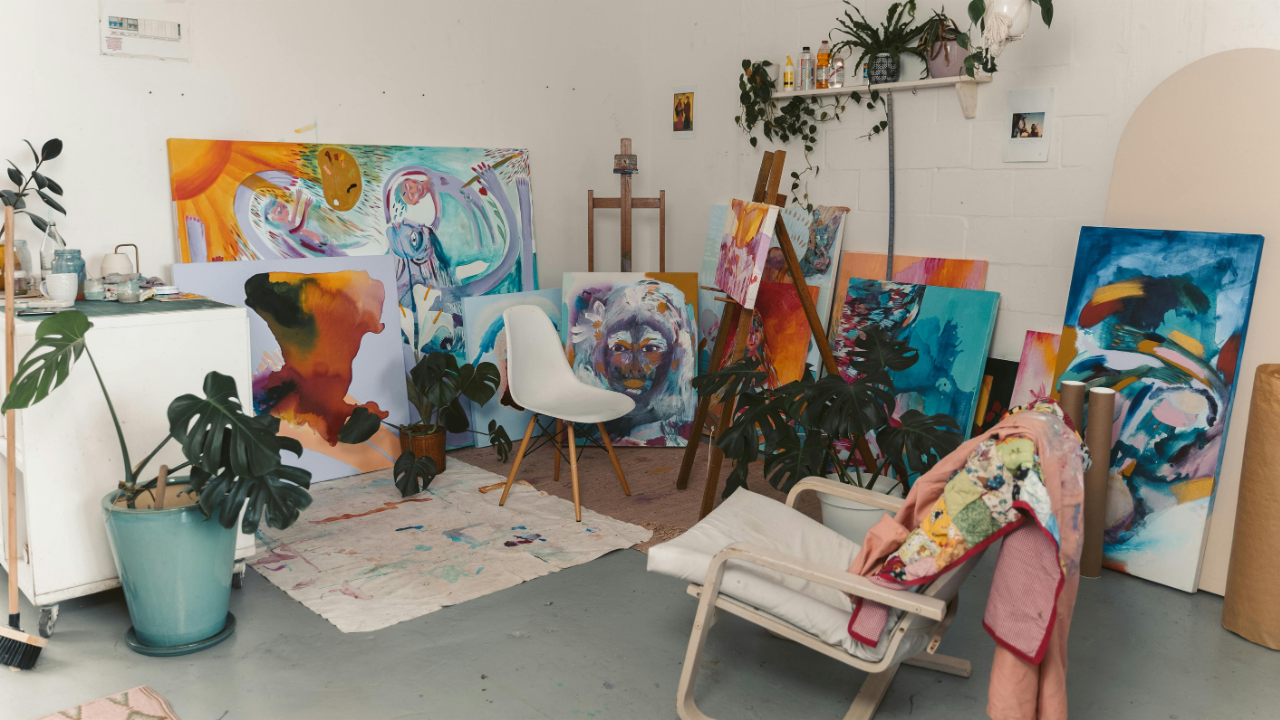
There's a particular kind of silence that happens when someone walks into a room and stops. Not because they've forgotten why they came in — though that happens too, and is a separate problem — but because something on the wall caught them mid-step and held them there. That something, in an increasing number of Indian homes in 2026, is an abstract wall art painting. Not a landscape, not a portrait, not a deity or a family photograph — something that says nothing specific and everything simultaneously, in colour and form and the particular grammar of paint and line. Abstract art is having its biggest moment in Indian home décor in a generation, driven by a design culture that has grown confident enough to stop needing its walls to be literal. This guide covers every style worth knowing, every room worth considering, and everything you need to buy abstract art that genuinely transforms a space rather than merely occupying it.
Why abstract art? Search data shows "wall art abstract modern" and related terms grew nearly 900% year-on-year in India. Abstract prints are now the single fastest-growing wall art category in Indian online retail — and the homes buying them look extraordinary.
What Makes Abstract Art Work — And What Makes It Not
Abstract art is the category most often bought on impulse and most often regretted on delivery — not because the art was wrong, but because the buyer didn't have a clear enough picture of what they were actually looking for. The difference between an abstract painting that transforms a room and one that creates a vague sense of expensive confusion is usually not quality — it's fit. Fit with the room's palette, fit with its scale, fit with the emotional register the room is meant to carry.
The good news is that abstract art is also the most forgiving category once you understand its logic. Unlike representational art, where a mountain print on the wrong wall just looks like a mountain print on the wrong wall, a well-chosen abstract print has a chameleonic quality — it responds to its environment, picks up colours from nearby textiles, changes character in different light conditions, and rewards extended looking in ways that more literal art often doesn't. Read our complete guide to understanding digital art if you're new to buying prints online.
Before buying any abstract print, identify the two or three dominant colours already in your room. The best abstract art for that space will contain at least one of them — not as a match, but as a conversation. The print doesn't need to agree with the room; it needs to be in dialogue with it.
The Styles: A Complete Guide to Abstract Art for Indian Walls
Abstract art is not one thing — it's a broad philosophical territory spanning a century of visual experimentation, and the range of what's available as a print today is genuinely enormous. Here's how to navigate it. Our guide to 10 digital art styles worth knowing before buying goes even deeper on this.
Gestural and Expressive Abstract Art
Bold brushstrokes, dynamic mark-making, paint that looks like it arrived with intention and left at speed. Gestural abstract art is the most emotionally immediate of the abstract styles — it communicates energy, movement, and feeling directly, without requiring the viewer to interpret or decode anything. A gestural abstract print in deep cobalt and burnt sienna above a living room sofa stops conversation in the best possible way. These prints suit large walls and confident interiors — they don't whisper, and a room that is already busy should think carefully before inviting them in. In a room with clean lines and neutral furniture, though, a gestural abstract is the visual equivalent of the most interesting person at the party: loud in all the right ways, impossible to ignore, and entirely worth the attention.
Geometric Abstract Art
Where gestural abstraction is all feeling, geometric abstraction is all thought. Precise shapes, deliberate compositions, colour fields with clean edges — geometric abstract art operates through proportion and relationship, the visual equivalent of a mathematical proof that happens to be beautiful. These prints suit modern Indian apartments beautifully: they complement clean architectural lines, photograph magnificently (important in a culture where home spaces increasingly double as content backgrounds), and have the practical advantage of being essentially impossible to misplace in a room. A geometric abstract print works against any wall it's placed on, adapts to any palette it finds itself near, and never once apologises for any of it.
Fluid and Pour Abstract Art
What happens when pigment meets a surface without the intervention of deliberate mark-making — acrylic pours, alcohol ink paintings, marbled compositions — produces art of extraordinary organic beauty. Fluid abstract prints have a natural, almost geological quality: they look like something the earth made rather than something a person decided, which gives them a meditative depth that more intentional art sometimes lacks. These are exceptionally popular in Indian bedrooms and meditation spaces for exactly this reason. They also happen to be among the most naturally beautiful art styles to live with over time — they reveal new details as the light changes throughout the day, which is the kind of ongoing visual relationship that most wall art never develops with its owner. Unlike most ongoing relationships, this one requires no maintenance whatsoever.
Minimalist Abstract Art
A single mark. A field of warm grey interrupted by one deliberate line. An ink wash that dissolves at its edges into the paper. Minimalist abstract art achieves its effect through restraint — what's left out does as much work as what remains. In Indian homes where walls already carry significant visual richness from furnishings, textiles, and existing décor, a minimalist abstract print creates breathing room without creating emptiness. It's a considered pause in a rich visual composition, and rooms that contain one tend to feel both calmer and more curated than rooms that don't.
Colour Field Abstract Art
Large areas of pure, unmodulated colour — sometimes the entire canvas, sometimes divided into two or three zones — with subtle tonal variation as the only formal event. Colour field abstract art is simultaneously the simplest and the most demanding abstract style: there's nothing to hide behind, and the entire effect depends on the colour choice being exactly right. When it is, the effect is extraordinary — a large colour field print in deep terracotta or dusty rose can warm an entire room, change its apparent temperature, and make a space feel emotionally specific in a way that's very difficult to achieve through any other decorating choice. They're also among the most culturally resonant abstract styles in India, where colour has always carried meaning well beyond its visual register.
Abstract Botanical and Nature-Inspired Art
Somewhere between the fully abstract and the botanically representational lies a category that Indian homes seem to love specifically: abstract art that references nature without depicting it. A form that might be a leaf, rendered in flat ochre on cream. Marks that carry the energy of a monsoon coastline without the coordinates. These prints bridge the Indian cultural connection to the natural world with a contemporary abstract sensibility, and the results are among the most liveable, most loved, and most gifted abstract prints currently available. They work in virtually every room, complement virtually every interior style, and tend to be the category that buyers who weren't sure they liked abstract art discover they've liked all along.
Style Comparison: Finding Your Abstract Register
| Style | Best Room | Interior Fit | Gifting Score | Mood Created |
|---|---|---|---|---|
| Gestural / Expressive | Living room, dining room | Bold, modern, maximalist | ★★★★☆ | Energy, emotion, presence |
| Geometric Abstract | Living room, office, hallway | Modern, minimal, architectural | ★★★★★ | Order, confidence, clarity |
| Fluid / Pour Abstract | Bedroom, meditation space | Warm, eclectic, organic | ★★★★★ | Calm, depth, wonder |
| Minimalist Abstract | Bedroom, study, entryway | Minimal, Japandi, contemporary | ★★★★★ | Calm, restraint, intention |
| Colour Field | Living room, dining room | Contemporary, statement | ★★★★☆ | Warmth, atmosphere, mood |
| Abstract Botanical | Any room | Universal — warm modern, eclectic, traditional | ★★★★★ | Warmth, nature, belonging |
Room-by-Room Guide: Where Abstract Art Does Its Best Work
Abstract art is the most room-versatile category in wall décor — but that versatility has a logic to it, and understanding the logic helps you buy with confidence rather than hope. Our complete room-by-room guide to digital art in Indian homes covers placement principles for every art style in detail.
The Living Room: Abstract as Anchor
The living room is the natural home of a large abstract painting — it's the room where people sit and look at walls with sufficient sustained attention to actually appreciate what's there. A single large-format abstract print (30×40 inches or above) on the main wall operates as the room's visual anchor: everything else in the room organises itself around it. The key choice for living rooms is scale over subtlety — a medium-sized abstract on a large living room wall is one of the most common and most easily avoided home décor mistakes. Go large or go grouped, and go with conviction.
Gallery wall tip: For abstract gallery walls in living rooms, choose prints from a consistent palette rather than a consistent style — varied abstract styles in coordinated colours create a collection that looks designed rather than accumulated. Uniform frames do the rest of the work.
The Bedroom: Abstract for Calm
In the bedroom, the emotional register shifts. The living room wants presence and impact; the bedroom wants depth and calm. Fluid abstract prints, minimalist abstract art, and soft colour field pieces in warm neutrals — ivory, pale sage, dusty rose, muted gold — are the bedroom's natural abstract vocabulary. These are prints you want to look at for thirty seconds before closing your eyes, not prints that keep you awake cataloguing their details. A single large abstract print above the bed, centred on the headboard wall, creates the visual equivalent of a view — somewhere specific and beautiful for the eyes to go at the beginning and end of each day, which is not nothing and is in fact quite a lot.
The Dining Room: Abstract as Conversation
Abstract art in dining rooms is underused and wildly effective. A bold gestural print or a rich colour field piece on the dining room's main wall transforms meals into occasions — it gives dinner guests something to respond to, which is the social function that good dining room art is quietly supposed to perform. Choose something with genuine visual force: a dining room abstract that makes people politely say "interesting" is less useful than one that makes them say "wait, what is that" mid-sentence. The goal is interruption, not decoration, and there's a meaningful difference.
The Home Office: Abstract as Focus
Abstract art in home offices should support concentration rather than demand it. Geometric abstract and minimalist abstract prints are ideal — they provide visual interest at a glance and visual neutrality at depth, which is exactly what a working wall needs. Avoid high-drama gestural pieces in home offices: they generate the wrong kind of attention and tend to win competitions with spreadsheets that spreadsheets have no business losing.
The Entryway: Abstract as Introduction
A single strong abstract print in an entryway is one of the most effective and most underused decorating moves in Indian homes. It sets the aesthetic tone for the entire home before a guest has taken off their shoes, and it says something very specific about the people who live there: that they trust art to mean something without needing to explain it. Which is, quietly, a fairly confident thing to say about yourself, and entirely true of the kind of person who buys abstract art on purpose.
Choosing Colours: Abstract Art in the Indian Home Palette
Indian homes are typically warm in their colour base — terracottas, ochres, warm whites, rich textiles — which means abstract art colour choices interact with the room differently than they would in a cooler, more neutral Nordic interior. Here's a practical palette guide for abstract art in Indian home contexts.
Warm Earth Abstracts
Terracotta, rust, burnt sienna, ochre, warm ivory, clay — the palette of Indian earth and spice. These abstract prints feel immediately at home in Indian interiors because they share tonal DNA with the colours already there. They're also among the most on-trend abstract palettes globally in 2026, which means they look both culturally resonant and thoroughly contemporary simultaneously — a combination that is rarer and more satisfying than it sounds.
Deep Jewel Tone Abstracts
Emerald, sapphire, deep burgundy, amethyst — these colours live in Indian sarees and cushions and curtains already, and abstract art in these palettes integrates naturally while bringing a richness and visual depth that lighter palettes can't. A large abstract print in deep teal and gold in a living room with warm wooden furniture and rich textiles is the kind of thing that people photograph when they visit your home, which has become a reliable measure of decorating success whether or not anyone admits it.
Neutral with One Bold Note
Warm grey, dusty white, pale sand — with one unexpected accent colour that carries the print's energy. These abstract prints are the most versatile in the range: they work against almost any wall colour, suit any room, and gift beautifully because they're nearly impossible to clash with an existing interior. They're the little black dress of abstract art, which is a comparison that will either resonate immediately or require further explanation depending entirely on your relationship with fashion metaphors.
2026 colour trend: Muted, slightly desaturated palettes — dusty rose, sage, warm pewter, faded ochre — are dominating abstract art searches in India this year. They integrate beautifully with existing interiors and age far better than hyper-saturated alternatives. The screensaver era of wall art is officially over.
Sizing Guide: Getting Scale Right the First Time
Buying abstract art the wrong size is the single most common and most easily avoided home décor mistake. The fix is simple: measure before you order, and go larger than feels comfortable on paper.
Quick Reference: Abstract Art Sizes for Indian Spaces
| Room / Wall | Recommended Size (Single Print) | Gallery Wall Option |
|---|---|---|
| Standard living room (main wall) | 30×40 inches or larger | 5–7 prints, 12×16 to 18×24 inches |
| Above sofa (8–9 ft sofa wall) | 24×36 inches minimum | 3 prints in horizontal row |
| Above bed (standard double/queen) | 24×30 to 24×36 inches | Triptych: 3 × 12×16 inches |
| Dining room feature wall | 24×36 to 30×40 inches | 2×2 grid of 16×20 inches |
| Home office / study | 18×24 inches | Pair of 12×16 inches |
| Entryway / hallway | 16×20 to 20×30 inches (portrait) | Vertical stack of 2–3 prints |
| Bedroom accent wall | 18×24 inches minimum | Pair of 12×16 inches |
Cut newspaper to the exact size of your intended print and tape it to the wall. Step back, squint slightly, and give it thirty seconds. If it looks too small — and it almost always looks too small — go one size up. This takes four minutes and saves considerably more than four minutes of return-shipping paperwork.
Abstract Art as a Gift: The Most Considered Choice in the Room
Abstract art is among the most thoughtful gifts in the wall art category — not despite its abstraction but because of it. An abstract print that's well-chosen says: I thought about you specifically, I thought about your space, I thought about what beauty means to you — and I found it in this. That level of attention, communicated through a single object, is what separates a memorable gift from a generous one. Our complete guide to gifting digital artwork in India covers every occasion and every consideration.
Abstract Art Gifting by Indian Occasion
Diwali: Abstract prints in warm festive palettes — gold, deep rose, ochre, burnt amber — carry the season's light and warmth without being thematically limited to the festival. They live happily on a wall in April as well as October, which is what separates occasion-appropriate art from occasion-specific decoration.
Housewarming (Griha Pravesh): A large abstract print for the main living room wall is one of the most impactful housewarming gifts possible — literally the first significant art in a new home, positioned to be seen every day for years. Choose a palette that complements neutral interiors broadly, and go larger than you think is appropriate. It almost certainly isn't.
Wedding: An abstract diptych — two prints designed as a continuous composition — is a wedding gift with quiet symbolism and significant visual impact. Two panels, one home. The metaphor is available if the recipient wants it, and entirely ignorable if they don't, which is the right amount of symbolism for a gift.
Corporate Diwali: Geometric or colour field abstract prints in refined neutral palettes are among the strongest corporate gifting options available — sophisticated enough for any professional context, personal enough to feel genuinely considered, and universally compatible with any recipient's existing interior. The abstract corporate gift that actually gets hung: a rarer achievement than most corporate gifting budgets appreciate.
What to Look for When Buying Abstract Art Prints Online
The abstract art print market in India has expanded enormously — which means both better options and considerably more noise. Here's what separates a print that will still look extraordinary in a decade from one that starts showing its limitations in a year. Use our complete quality checklist before buying any print online.
Colour Accuracy: The Most Important Factor for Abstract Art
Abstract art's entire value proposition rests on its colours being exactly right — and unlike representational art, where colour errors are absorbed by the viewer's knowledge of the subject, abstract art has no reference point to hide behind. A cobalt that arrives as navy, a terracotta that arrives as brown, a gold that arrives as yellow — any of these fundamentally changes what the print is, not just how it looks. Buy from stores that provide colour-calibrated photography and state their printing colour profiles clearly. At Lurevi, every abstract print is photographed and calibrated to represent actual output accurately.
Print Resolution and Archival Inks
Giclée printing on acid-free fine art paper with archival pigment inks is the quality standard for abstract art prints that will last. Archival pigment inks resist fading for 75+ years under normal conditions; dye-based inks shift perceptibly within five to ten years in ways that abstract colour fields make immediately and mercilessly visible. Paper weight should be 200 GSM or above — lighter paper feels insubstantial in a frame and doesn't carry the visual weight that abstract art benefits from. Read our comparison of digital art vs traditional art for wall prints for more on what quality means in practice.
Finish: Matte Is Almost Always Right for Abstract Art
Matte fine art paper renders abstract art with the same quality that gives original paintings their depth and richness. It eliminates glare, which is particularly important for colour field and minimalist abstract prints where a highlight reflection across a large area of flat colour ruins the entire effect. Semi-gloss works for some gestural abstract prints where you want maximum colour saturation. Full gloss is rarely the right choice for abstract fine art — it makes prints look like enlarged photographs, which is the wrong category of thing. Complete framing guide for abstract prints.
Frequently Asked Questions
What is abstract wall art and how do I choose the right style for my home?
Abstract wall art uses colour, form, line, and texture to create visual and emotional impact without depicting recognisable subjects. Choosing the right style depends on the room's brief and your interior's existing character: gestural abstract art for bold, energetic living rooms; minimalist abstract for bedrooms seeking calm; geometric abstract for modern apartments with clean lines; fluid abstract for warm, organic interiors; colour field art for rooms where atmosphere matters above all. The single most useful pre-purchase step is identifying your room's existing dominant colours and finding abstract art that contains at least one of them — not as a match, but as a conversation.
What size abstract art painting works best for an Indian living room?
For a standard Indian living room, a single abstract print should be at least 24×36 inches — ideally 30×40 inches or larger for the main feature wall. The print should cover 60–75% of the wall width it occupies. Going too small is the most common and most easily avoided abstract art mistake: a medium print on a large wall reads as tentative rather than considered, which undermines the entire effect. If budget or wall space constrains single-print sizing, a gallery wall of 5–7 coordinated abstract prints in matching frames is a very strong alternative.
Which abstract art colours work best in Indian home interiors?
Indian interiors are typically warm in their base palette — terracottas, ochres, warm whites, rich jewel tones in textiles and furnishings. Abstract art in warm earth tones (terracotta, rust, ochre, burnt sienna) integrates naturally and feels culturally resonant. Deep jewel tones (emerald, sapphire, burgundy) complement the rich colours already common in Indian furnishings. Neutral abstract prints with one bold accent colour work across virtually any Indian interior. In 2026, muted and slightly desaturated palettes — dusty rose, sage, warm pewter — are the strongest trending direction and integrate more easily into varied interiors than highly saturated alternatives.
Is abstract art a good gift for Indian occasions like Diwali or housewarmings?
Abstract art prints are excellent gifts for Indian occasions precisely because well-chosen abstract art is nearly impossible to clash with an existing interior. For Diwali, choose warm festive palettes that feel celebratory year-round. For housewarmings, a large abstract print for the main living room wall is among the most impactful first-art gifts possible. For weddings, an abstract diptych — two prints as a continuous composition — carries quiet symbolism elegantly. For corporate gifting, geometric or colour field abstract prints in refined neutral palettes are sophisticated and universally compatible. The key to gifting abstract art well is choosing palette over style — warm neutral abstract prints work in virtually any Indian home.
How do I know if an abstract art print is good quality before buying online?
For abstract prints specifically, colour accuracy is the most critical quality factor — abstract art has no representational reference point to absorb colour errors, so what you see must be what you get. Look for: giclée or archival inkjet printing, acid-free paper at 200 GSM or above, archival pigment inks (not dye-based), colour-calibrated product photography, and matte finish for most abstract styles. Buy from stores that are transparent about their printing specifications. Lurevi states all print specifications clearly and photographs every print true-to-colour so you know exactly what will arrive.
Can abstract wall art work in a traditionally decorated Indian home?
Absolutely — and the combination is often extraordinary. Abstract art alongside traditional Indian furnishings creates productive contrast: the contemporary visual language of the print makes the richness of the traditional décor look more intentional, and the warmth of the traditional décor keeps the abstract print from reading as cold or clinical. The practical keys are palette alignment (choose abstract art in colours that share tonal DNA with your existing décor), scale (larger is almost always better), and placement (a cleaner, less-busy wall section gives the print the breathing room it needs). Abstract botanical and nature-inspired abstract prints are the most naturally harmonious style for traditionally decorated Indian interiors.
Your Wall Has Been Patient Long Enough
The right abstract painting doesn't just decorate a room. It completes it — gives it a point of view, a visual centre of gravity, a reason for people to stop mid-sentence and look. At Lurevi.in, every abstract print is produced on archival fine art paper with museum-grade pigment inks, curated specifically for Indian homes, and delivered carefully to wherever your walls are waiting.
Find the one your wall has been waiting for.
Shop Abstract Art Prints → Explore Gift Collections →✦ Free delivery across India · Archival quality guaranteed · Packaged with care